Engagement or milka?
Names and order differ between families. In many, the engagement is a meeting between the two families to agree on the marriage, followed by the milka, which is the religious and legal marriage contract and is usually accompanied by a family celebration. Some families combine the engagement and the milka in one occasion, and some postpone the contract to the wedding day itself.
Agree on the form and timing of the occasion with the other family before anything else, because that decides its size, its venue and everything you need after. For a full picture of the stages of marriage, read our guide to Saudi wedding traditions.
When to hold it
The gap between the milka and the wedding varies widely. Some families sign the contract days before the wedding, others months before. When choosing the date, consider both families’ circumstances, relatives’ travel, school holidays and whether the ma’dhun (marriage officiant) is available on the day you want. He is the first person to confirm.
Many people prefer an evening milka, shortly before or after the Isha prayer, so it fits around working hours and guests can arrive without rushing. That is up to each family’s custom, though, and I have seen lovely milkas held in the late afternoon in the garden of the family home.
The right venue
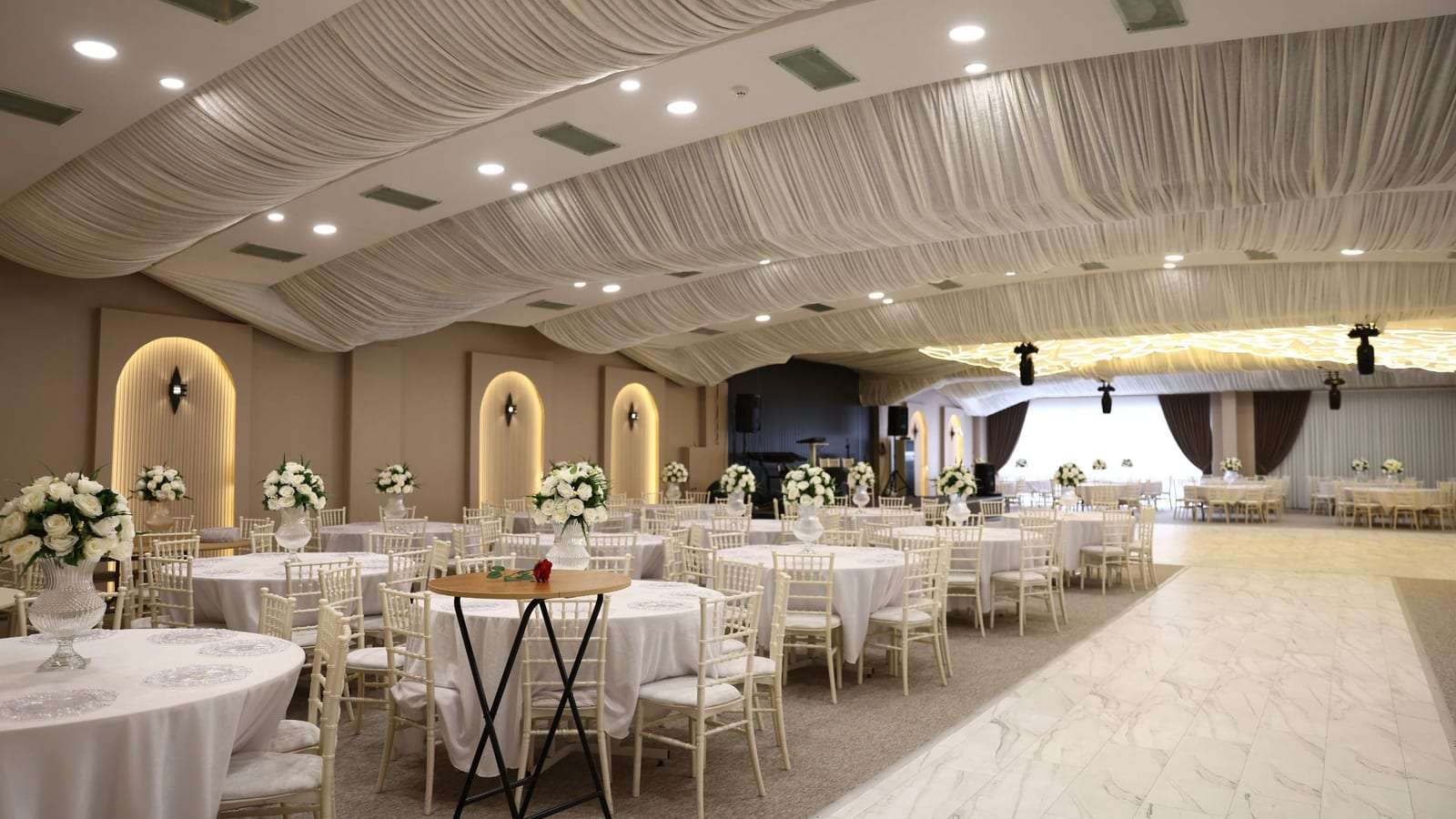
Home is the warmest and most private choice, and suits small numbers with an elegant seating area and good hospitality. A rest house gives more space and an outdoor feel, and suits medium numbers, especially in the milder months. If you expect more guests, a small hall with two ready-made sections and the hall’s services is easier, or a hotel ballroom that combines elegance with full hospitality.
There is no rule here. The real question is how many people will come and whether the venue holds them comfortably in both sections. If you need a hall, see wedding halls, and mention in your request that the occasion is a milka so you receive options of the right size.
Guests and invitations
The engagement and the milka are usually limited to close family on both sides, sometimes with a few relatives and friends. The sooner the number is clear, the easier it is to choose the venue and the hospitality. Prepare a short list for each section, and see our guide to estimating the guest count for the method. Remember that a home that feels spacious on an ordinary day can fill quickly with forty guests, a hospitality table and a seating area for the bride.
An elegant digital invitation or a verbal invitation to close family is usually enough for a milka, though some families choose a small printed card that matches the wedding stationery. If you want one look for both occasions, agree both designs with your invitation designer at the same time.
The two sections and the timing between them
Even at a small milka the occasion is usually held in two sections or two separate sittings. The men gather to witness the marriage contract and congratulate the groom and the bride’s father, while the women celebrate with the bride in her own sitting. Coordination between the two is what makes the difference, especially when the contract is announced and the women are waiting for the news to break into ululations, and when the groom comes in to be photographed, if that is the family’s custom. Name someone to carry news between the sections, so the bride is not left waiting without knowing what is happening.
The seating area and kosha
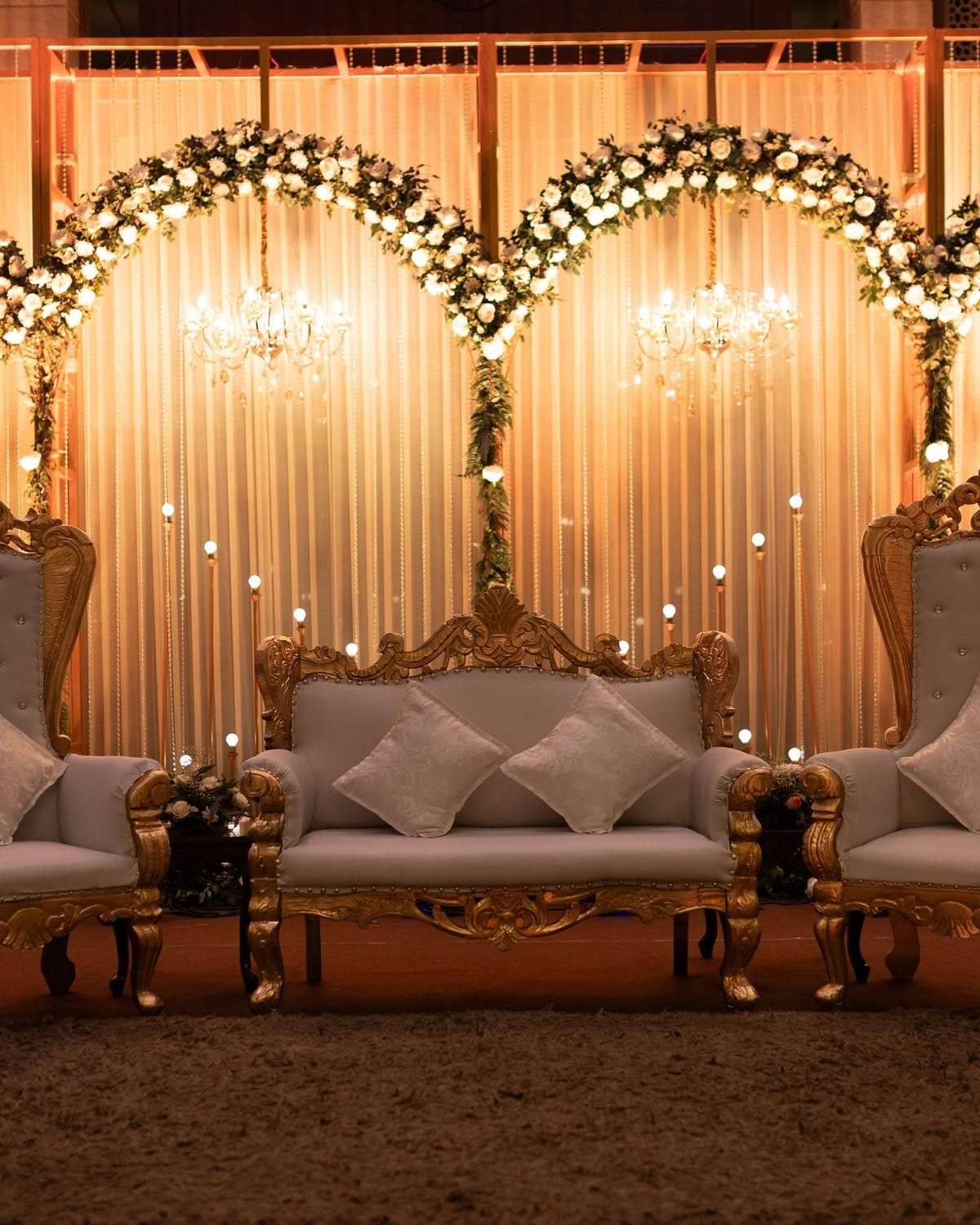
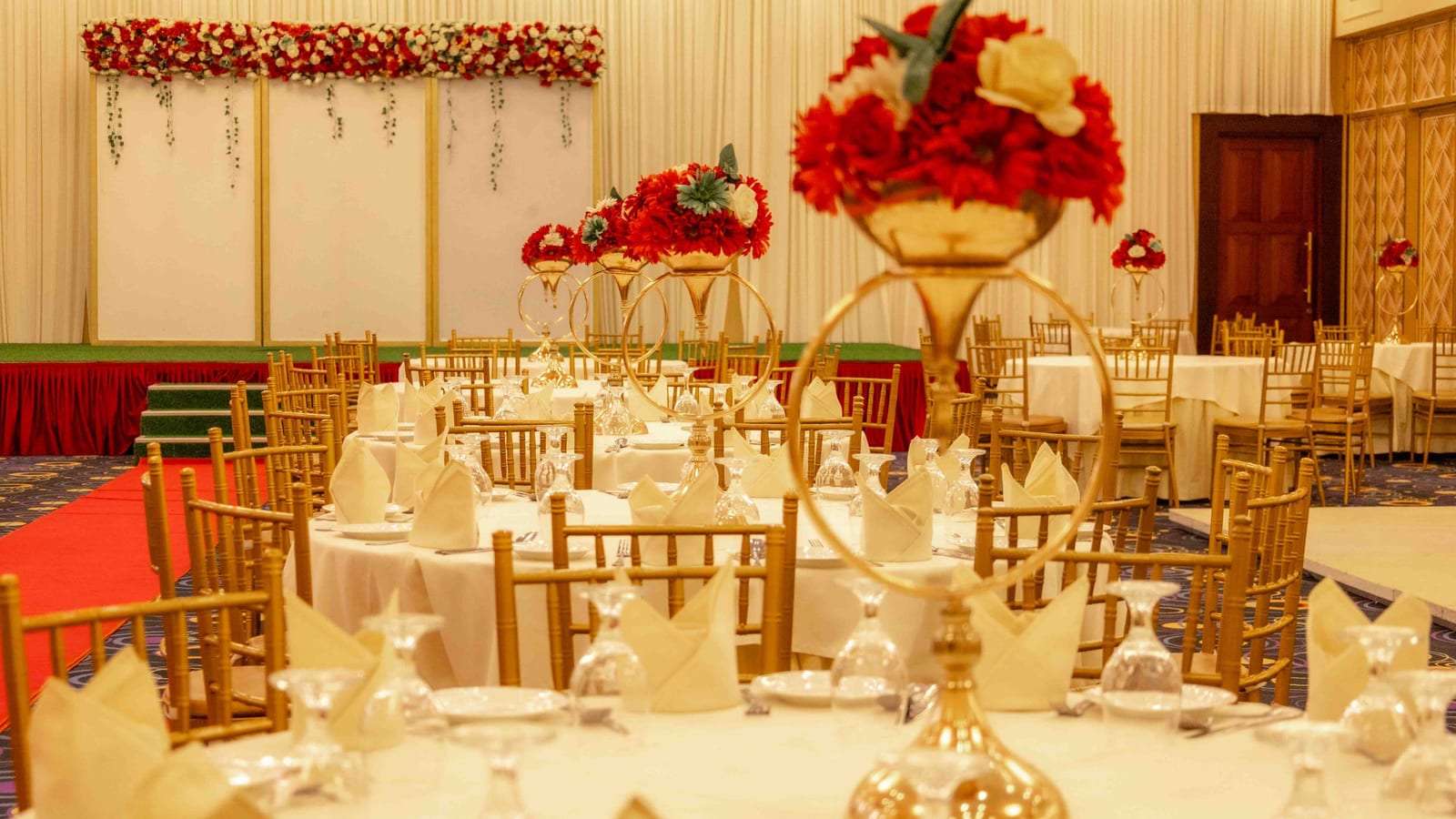
A milka does not need a grand kosha. An elegant seating area with a sofa or two chairs, a simple backdrop of flowers or fabric and warm lighting is enough to create a lovely atmosphere and beautiful photos. Choose soft colours that suit the bride’s dress, and pay attention to the lighting, particularly at home, because ordinary living-room light makes photos look flat however beautiful the setting.
You can agree with a kosha and decoration designer on a small design for the home or rest house, and a matching one for the wedding night, so some pieces are reused and both occasions share one look.
Hospitality
As at every Saudi occasion, hospitality begins with Arabic coffee and dates on arrival. Then come sweets, cake and pastries, and depending on the numbers and timing a light or full dinner may follow. At larger milkas a coffee server works in the men’s section and hostesses in the women’s, while at home the family and female relatives usually manage. Many families like small favours for guests carrying the couple’s names and the date of the contract.
Many catering companies offer light packages designed for a milka, which is far more relaxing than cooking everything at home on the day.
Photography and the shabka
Many families like to record the milka, especially the moment the shabka is presented and the couple’s first photos together. Agree on a shot list with the photographer, and on privacy and no publication, exactly as for the wedding night. You can book the same photographer for the milka and the wedding in one package so the style of the photos is consistent. Details are in our guide to choosing a wedding photographer.
In many families the shabka is presented at the engagement or the milka, and its value and the way it is given vary from home to home. Agree on the moment in advance and prepare a place for it close to the seating area and in good light, so the most important photo of the evening is not taken in a dark corner.
Preparing for the marriage contract
The marriage contract is a religious and legal procedure, concluded in the presence of the ma’dhun, the bride’s guardian, witnesses and the groom, and then officially registered. Contact the ma’dhun early to confirm the time, the documents required and how registration works. These details are set by the competent authorities and can change, so do not rely on a relative’s experience from years ago.
Prepare a quiet place for the contract away from the noise, before the celebration begins or right at its start, with a small table and seats for the guardian, the witnesses and the groom, and light refreshments for those present. Decide who will receive the ma’dhun and accompany him, so the moment passes with the calm and dignity it deserves.
The bride’s look
At the milka the bride usually wants an elegant look that is lighter than on the wedding night, in soft shades that suit the seating area and indoor lighting. I often suggest treating the milka as a trial run with the makeup artist before the wedding, so the bride learns what suits her skin in photos and what she wants to change for the big night. The dress is a matter of the bride’s taste and family custom. Some choose a soft, light-coloured dress, others traditional attire. See bridal makeup and henna.
The checklist before the milka
This is the list I send every family two weeks before the milka, and it is usually all you need.
- Agree the date, venue and number of guests with the other family.
- Contact the ma’dhun and prepare the required documents.
- Book the venue or prepare the home, with the seating area, flowers and lighting.
- Arrange the hospitality and who serves it in each section.
- Book the photographer and agree on privacy and the shabka moment.
- Set the time for the bride’s makeup and hair.
The mistakes I see most often are contacting the ma’dhun only in the last few days, inviting more people than the home can hold, neglecting the lighting so the photos come out dark, and not agreeing details and responsibilities with the other family in advance.
From the milka to the wedding
If the wedding is some time after the milka, this is the best chance to plan the big night calmly. Book the hall, kosha, photography, catering and invitations in order, and use our wedding planning checklist to see what to settle first. You can request offers for the milka or the wedding with a single request, choosing the occasion and the services you need.
FAQ
Is the milka a big celebration?
Usually not. It is a family occasion much smaller than the wedding. Its size depends on what the two families want, though, and some hold it in a hall with numbers close to a wedding.
Can the milka and the wedding be combined?
Yes. Some families hold the marriage contract on the wedding day or shortly before, especially when time is short. Arrange it with the ma’dhun and the hall in advance, and set aside a quiet place for the contract before the celebration begins.
Do we need a hall for the milka?
Not always. A home or rest house is enough for small numbers, and a small hall helps if there are more guests or you want two separate sections with services ready.
What does the bride wear at the milka?
It depends on her taste and her family’s customs. Some brides choose a soft, light-coloured dress, others traditional attire. What matters is that it suits the setting and colours, and that she is comfortable in it throughout.
How long does a milka last?
Usually a few hours, starting with the marriage contract, followed by the celebration, hospitality and photos. Set the start and finish times in advance so vendors know how long they will be working.
Do we need a planner for the milka?
Usually not, as it is a small family occasion. If it is large or held in a hall, or the family is busy with wedding preparations, a wedding planner or a coordinator for the women’s section can help.
Can I request milka services through SaudiWedding?
Yes. Choose “Engagement / milka” as the occasion in the request form, then the services you need.