Three decisions before you call anyone
The first thing I ask any family is to agree on three things before phoning a single hall: a rough date, a budget and a guest count for each section. They are more connected than they look. A date at the height of the season pushes prices up and narrows your choice, the guest count decides the size of the hall, the amount of food and the number of invitations, and the budget tells you where to be generous and where to hold back.
You do not need exact figures yet. It is enough to say that the wedding will be in winter after the school holiday, that the women’s section will receive around four hundred guests and the men’s around two hundred, and that the budget has a ceiling you will not go past. With that frame in place, every conversation with a vendor becomes shorter and clearer. For the numbers in more detail, read our wedding cost factors guide and our guide to estimating the guest count.
One tip from experience is to keep the day flexible if you can. A family willing to take a midweek night instead of a busy weekend night finds more halls available, calmer prices and a better position to negotiate.
Twelve months out: the hall comes first
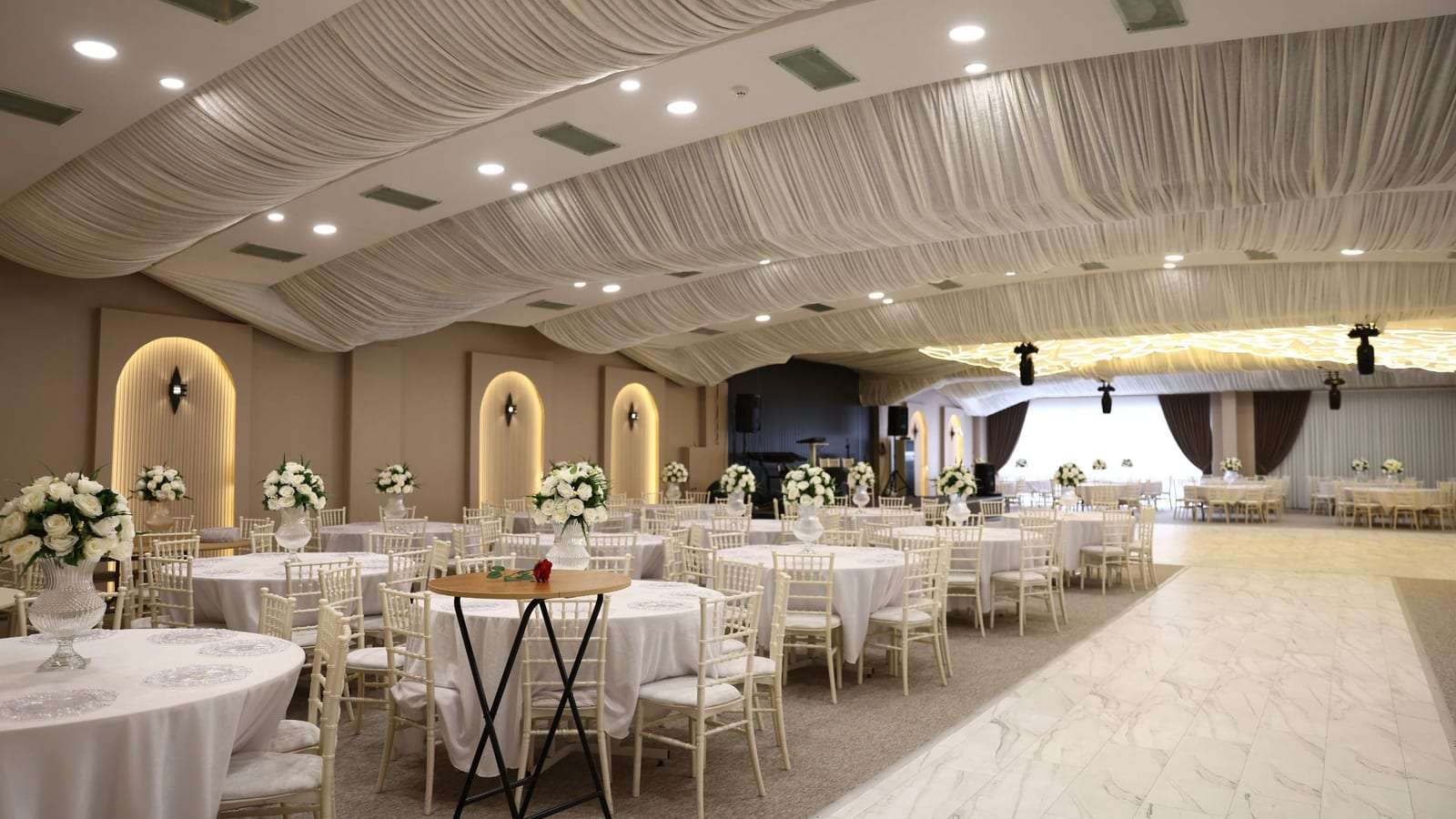
Everything else hangs on the hall, which is why it sits at the top of the list. Narrow the options by phone, then visit three or four at most, ideally in the evening so you see the real lighting and how guests arrive. Ask about the capacity of each section separately, the bride’s room and when the kosha team is allowed in to set up. Once you find the right hall, do not deliberate for weeks. In a busy season the date goes to whoever pays the deposit first. The full comparison is in our guide to choosing a wedding hall, and you can browse wedding halls in your city.
In the same month, decide how much you want from a wedding planner. Some families need a planner who handles everything from the start, others only want a coordinator for the night itself. It depends on the size of the celebration and on whether someone in the family has the time and patience to follow up daily with ten different suppliers.
From day one, keep a single file for contracts, receipts and phone numbers, on paper or as a shared spreadsheet on your phones. It will become your reference every time a small disagreement comes up over the months ahead.
Nine months out: book the people who are hard to replace
After the hall come the services that are hard to replace at the last minute, starting with the female photographer for the women’s section. Good photographers are few in any city and their calendars fill before anyone else’s in the season. Book a photographer for the men’s section at the same time if you want one, and agree now on hours, the number of edited photos and the delivery time. Our guide to choosing a photographer will help you compare offers.
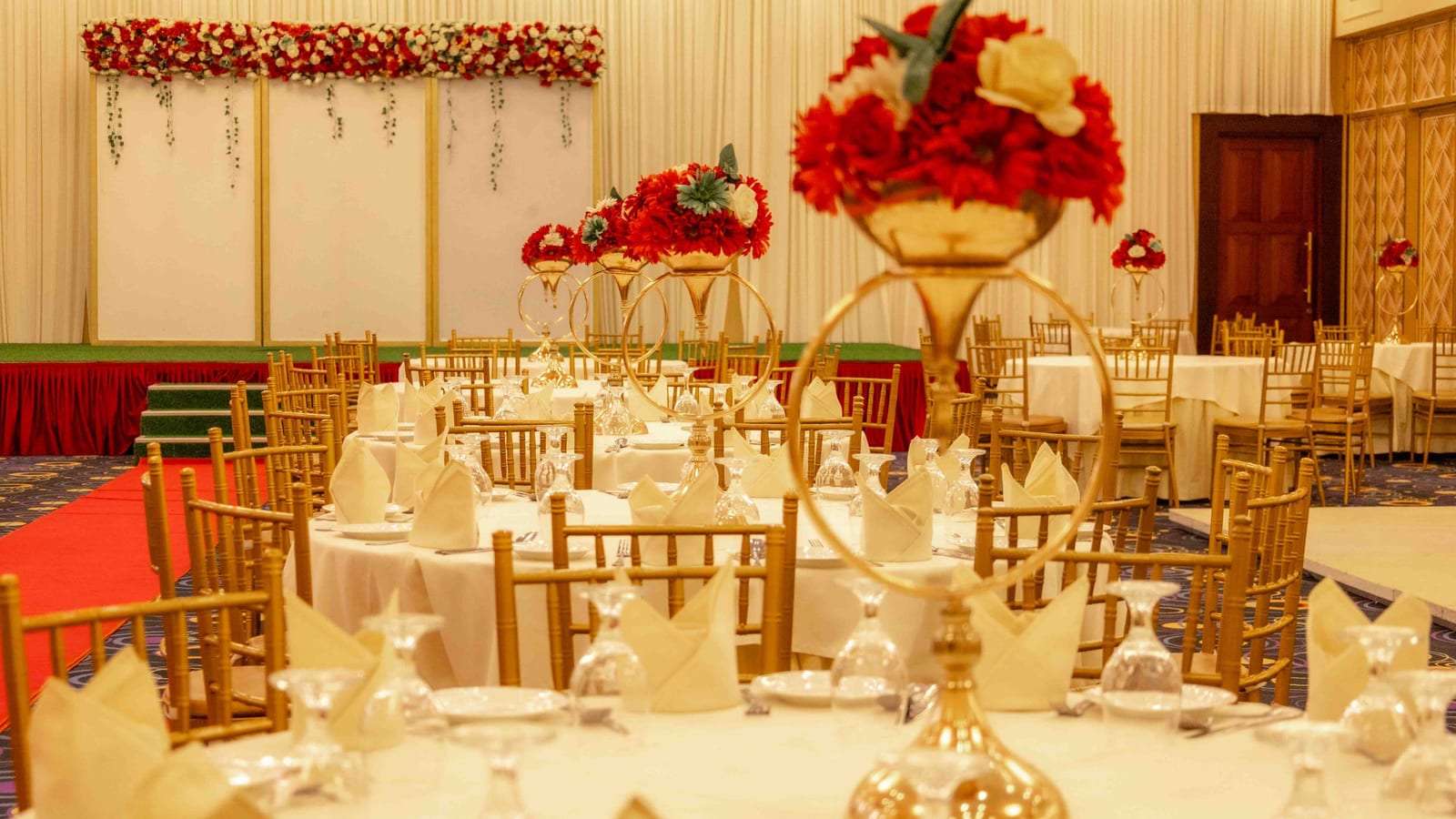
This is also the moment to choose a kosha and decoration designer. You do not need the final design yet, but agreeing on the overall style and colours helps everyone who comes after, from the florist to the makeup artist who picks her shades to suit the backdrop. If the hall does not provide hospitality, start talking to caterers, and think about the kind of zaffa and entertainment you want in each section.
The dress deserves attention now as well, especially if it is being made to measure. Tailoring means a series of fittings, and any delay with the fabric or the embroidery eats into the final weeks you will need for everything else.
Six months out: the details take shape
Here the wedding turns from scattered ideas into written decisions. Book a bridal makeup and hair artist and set the date of the trial, and ask the kosha designer for a first concept, either a sketch or photos of past work close to what you have in mind. Arrange a tasting with the hall or the caterer. It is the only way to know what your guests will actually be served, rather than trusting the photos on a menu.
Get in touch with an invitation designer to choose the style and wording. The wording needs both families’ approval, and the discussion about the order of names and the words of welcome can take longer than you would think, so start it early. If guests are coming from other cities, book them a hotel near the hall before prices climb with the season.
Remember that the milka and the henna night have needs of their own, from a venue and hospitality to a seating area and photography. Put both on the same timeline so they do not collide with the wedding preparations in the final month. You will find the details in our engagement and milka guide.
Three months out: the numbers become final
In three months the bride will be standing at the kosha, and this is when the numbers get fixed. Close the guest list for each section, approve the invitation design and send it to print, and prepare the digital version that will go out by phone. If you want a sheila or a recorded zaffa with the couple’s names in it, order it now, because writing, composing and recording take weeks.
It is also the right time to review every contract in one sitting. Read what each offer includes, when the remaining payments fall due and what happens if you cancel or postpone. Then ask the hall and the kosha designer to agree set-up and take-down times directly with each other. A lot of problems on the night come from each side having understood a different time.
One to two months out: trials and the run sheet
These are the weeks of trials. The makeup and hair trial usually happens about a month before the date, along with the last fittings of the dress and accessories. Photograph the trial in daylight and under warm yellow light too, because makeup that looks lovely in the mirror can come out differently in photos.
Start handing out printed invitations and sending the digital ones, and give one person the job of tracking replies. The most important document of this stage is the run sheet for the wedding night, minute by minute, from the photographer’s arrival to the bride’s entrance, dinner and the guests leaving. Send it to every vendor, and sit down with the photographer to list the family photos you do not want to miss, such as the bride with her grandmother or with all her aunts together. If there is no separate henna night, book the henna appointment now.
The final week: a list to print
In the last week there is no room for new decisions. The job is to confirm what has already been agreed, and this is the list I ask every family to keep in front of them.
- Confirm final numbers with the hall and the caterer by the date they set.
- Confirm arrival times with the photographer, the makeup artist, the kosha designer and the zaffa team.
- Make the remaining payments according to the contracts and file the receipts.
- Pack the bag for the night: a printed run sheet, the vendors’ numbers and the bride’s essentials.
- Name one family member as the person vendors go to all night.
The last item matters most in my view. When every vendor knows who to ask, no question ever reaches the bride or her mother while they are in the dressing room.
The wedding night
Start getting ready earlier than you think you need to. Makeup and hair take their time, and the photos of the bride before her entrance need a calm that disappears once the section fills with guests. Ask the photographer to shoot the kosha, the tables and the details before the doors open, because they will never look that tidy again.
During the evening, the person in charge keeps the zaffa and dinner on schedule and checks that coffee and the welcome are ready in both sections. The couple’s only job is to be present for their night. I do not say that to be sentimental. I have seen brides spend half the evening checking their phones instead of living the moment, and regret it afterwards.
After the wedding
Do not close the file the morning after. Follow up on the photos and video within the agreed delivery time, and keep the contracts until every commitment has been met. Thank the relatives and friends who helped, and write down your impressions of each vendor while the details are still fresh. They will be useful to a sister or cousin planning her own wedding a year or two from now.
How do the two families share the work?
Customs differ between regions and between families when it comes to who handles what. In some homes the groom’s side takes the hall and dinner while the bride’s side takes her trousseau and the kosha. In others everything is divided quite differently. There is no single correct rule. What matters is that the split is known and agreed from the start.
The method that usually works for me is simple. A spreadsheet lists every task with the name of the person responsible and a deadline, shared in a small group with only the people involved rather than the entire family. That way the photographer is never booked twice, and nobody forgets the coffee for the men’s section because they assumed the other side had ordered it.
Mistakes I see every season
The most common mistake is putting off the hall and the photographer in the hope that things will become clearer, only to find the good dates gone. Next comes the verbal agreement, when you are told everything is included and discover on the night that the lighting or the fresh flowers cost extra. Always ask for a written offer, however friendly the relationship.
Other familiar mistakes are spending the whole budget with no reserve, inviting more people than the hall holds in the hope that some will decline, and leaving the makeup trial and the dress fitting until the last days. Each of these can be avoided with one line in the timeline, which is exactly why this guide exists.
Save time with one request
Instead of calling every hall and every photographer one by one, you can send one request listing the services you need together with your city, date and guest count. Wedding vendors in your city then contact you with their offers, and you compare them at home in your own time.
FAQ
What if we have less than a year?
Fold the early stages together and start straight away with the hall and the photographer, since they are the most affected by early booking. Then follow the same order at a quicker pace. Six months is enough for a well-run wedding if the big decisions are settled in the first two weeks.
Who usually does the planning?
It varies from family to family, and usually the couple and both families share the work. Having one person responsible for the timeline and the contracts still makes coordination much easier and stops vendors receiving conflicting messages.
Do I need a planner to follow this checklist?
No, you can follow it yourselves. A planner helps with large celebrations, when time is short or when nobody in the family can give the follow-up their full attention. Have a look at wedding planners to see what they offer.
How do we keep track of tasks easily?
A simple spreadsheet or a shared notes app is enough, as long as every item records who is responsible, the deadline and its status. Review it once a week, then every few days in the final month.
Do we need a reserve budget?
Yes. Keep part of the budget for the unexpected, such as extra guests, a change to the kosha design or a fee you missed in a contract. Very few weddings go by without at least one of them.
What should be booked first?
The hall in most cases, because the date and the venue shape every other service. Read our guide to choosing a hall before your first visit.