Two lists, not one
Because most weddings have two separate sections, it is more accurate to draw up one list for the women’s section and one for the men’s than to work with a single total. At many weddings the women guests outnumber the men two to one or more, and at others it is the other way round. That difference alone can change which hall you choose.
Ask each family to prepare its own list, then combine them in one spreadsheet showing, next to every name, the section, the family, the relationship and how the invitation will be sent. This spreadsheet will stay with you until the wedding night, so keep it tidy from the start.
Sort the names into circles
The method that always works for me is to arrange guests in three circles. The first is close family on both sides, meaning parents, siblings, grandparents, uncles and aunts and their families, the people the wedding is unthinkable without. The second is more distant relatives and close friends. The third is neighbours, colleagues and acquaintances.
If you need to cut numbers, start from the outer circle rather than deleting scattered names here and there. It makes the decision easier and fairer between the two families, and gives you a clear answer if anyone asks why they were not invited.
Who actually comes?
Rarely does everyone invited attend, and rarely does nobody bring an unexpected companion. So do not rely on the number of invitations alone. Track replies, and leave a reasonable margin in the hall and the catering for guests who turn up without confirming.
Attendance varies between families, cities and seasons, so there is no single rate I can give you. Your best guide is the family elders, who usually know from past occasions roughly how many of those invited come to the family’s weddings.
Children
Families differ on inviting children. Some welcome them and feel a wedding is incomplete without them, others prefer an adults-only celebration, especially in crowded halls or when the evening runs late. If you decide on that, say so gently in the invitation, and remember that children affect the numbers, the quantity of food and the seating plan.
The number chooses the hall
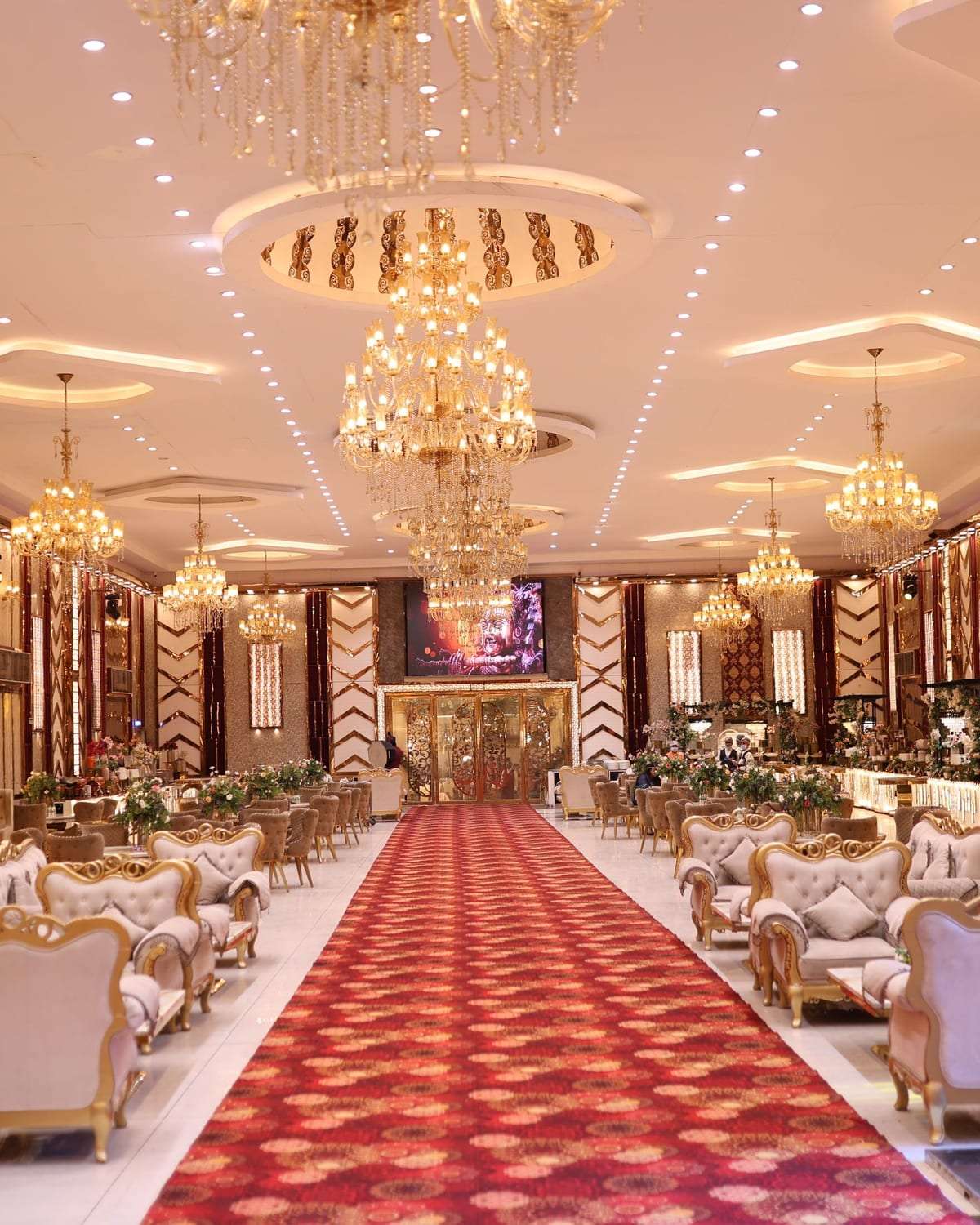
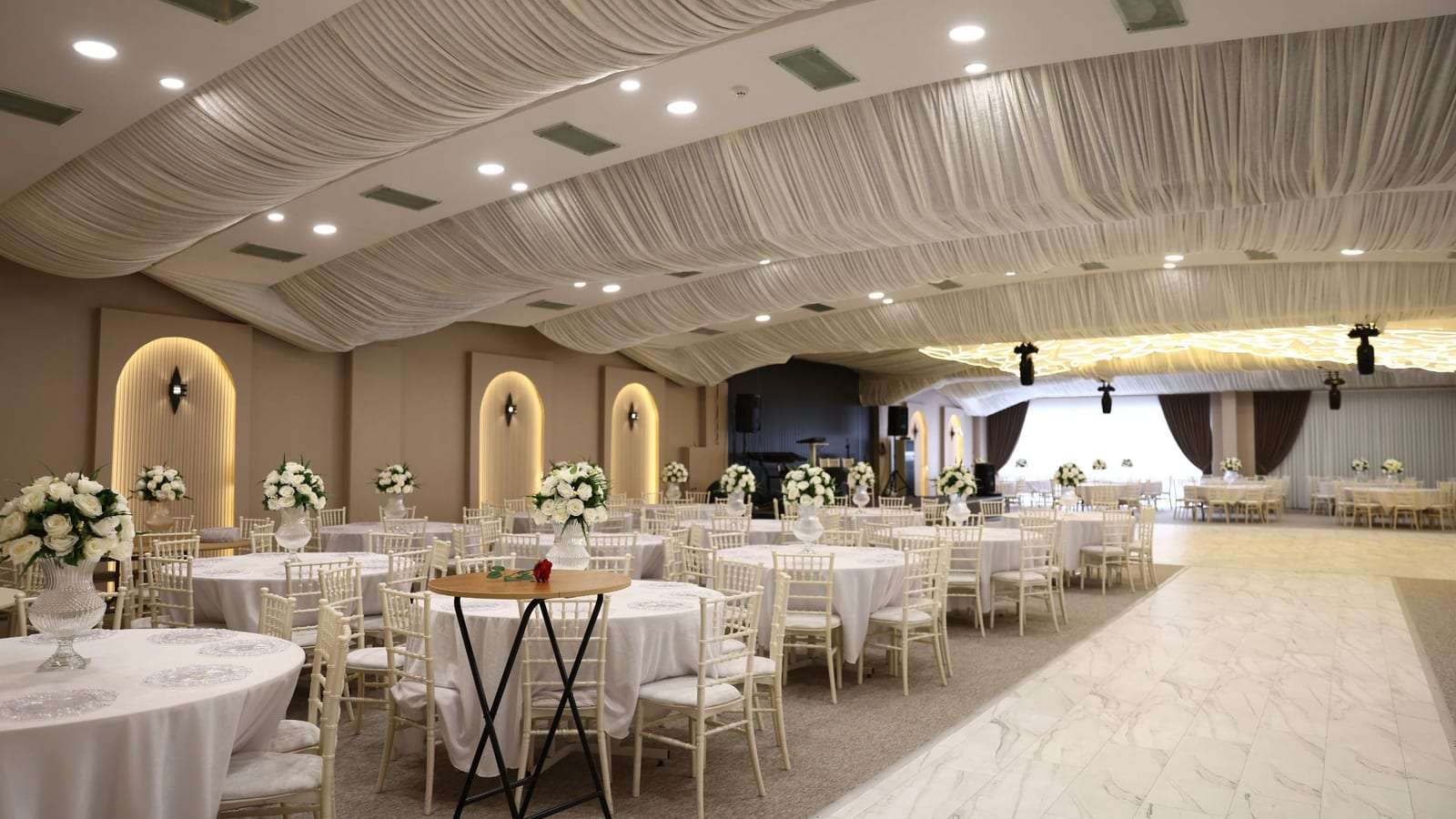
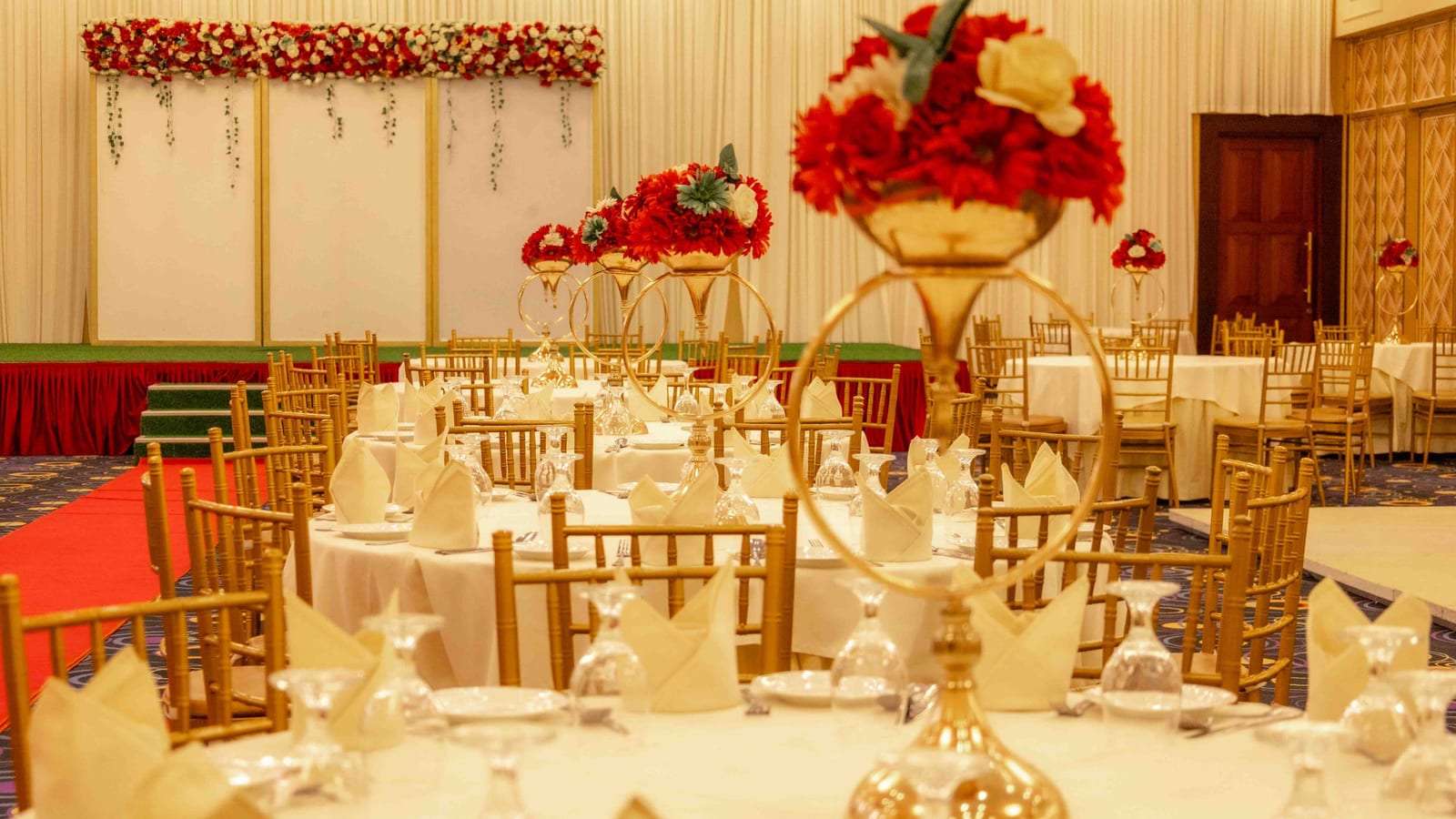
Once you have an estimate, look for a hall where each section holds its guests comfortably, with room for the kosha, the aisle and the buffet. A cramped hall causes crowding at the welcome and at dinner, while one that is too large looks empty in photos. Ask the hall for the real capacity with the seating style you want, because the maximum capacity in an advert is sometimes calculated with tables pushed so close that nobody is comfortable.
The full detail is in our guide to choosing a wedding hall, and you can browse wedding halls in your city by capacity.
Seating and the welcome
I always start the seating plan with older guests, who get comfortable places near the entrance and away from the speakers. Next comes the couple’s family, with tables close to the kosha in the women’s section and near the reception area in the men’s. I seat groups of friends or colleagues together so they feel at ease, and give guests with special needs easy-to-reach places near a suitable entrance.
The welcome is the first impression. In the women’s section the bride’s mother and female relatives usually receive the guests, and in the men’s section the family elders do. If numbers are large, spread the welcoming party over more than one point, and set out coffee and water near the entrance so guests do not bunch up in the first few minutes.
Hospitality to match the numbers
Caterers calculate quantities and staff from the guest count, so give them a realistic estimate for each section. Ask when the final number must be confirmed, how unexpected extra guests are handled and whether they cost more. Do not skimp on coffee servers and hostesses either. A guest waiting for a cup of coffee is what people notice and talk about most. Details are on our catering and hospitality page.
At long celebrations hospitality is served in stages, with coffee and dates on arrival, then drinks and sweets, then dinner at a set time. Agree the timing with the hall and the planner, so dinner is not too late and does not clash with the zaffa in the women’s section.
Parking and out-of-town guests
With large numbers, parking becomes a real challenge. Ask the hall how many spaces it has and whether there is valet parking, and include a map link in the invitation. If some guests are travelling from other cities, count them early, think about their accommodation and transport, and if you can, pick a date away from the busiest periods. Hotels near the hall make things much easier for them and reduce the number who decline.
Invitations and replies
Keep a spreadsheet for each section with the name, the family, how the invitation was sent and whether the guest has replied, and give one person the job of keeping it up to date. Many families now combine printed cards for close relatives and elders with a digital invitation for everyone else. It is a practical solution that saves money without offending anyone.
Send a reminder a few days before the wedding, and consider entry cards for a large celebration. They help manage arrivals, tell you the real attendance on the night, and give you a useful reference for the next family occasion.
Smaller celebrations
The milka, the henna night and the engagement are usually much smaller than the wedding, often limited to close family and friends. They still need a guest estimate, because it decides if your home is enough or you need a rest house or a small hall, and how much hospitality to order. Prepare a separate short list for each occasion, and see our engagement and milka guide for details.
More families now choose to keep the wedding itself smaller and more private, for family and close friends only, in a small hall, a rest house or a hotel ballroom. It leaves room to care about the details, eases the pressure on the couple, and can free part of the budget for photography or for accommodating guests from far away. In my experience a small, well-planned wedding stays in the memory with the same warmth as a large one.
Mistakes I see every season
The most common is leaving the list unsettled until after the hall is booked, then finding it is not big enough. Next is working from one total without splitting it between the sections, so the women’s section is packed while the men’s is half empty. Invitations are often added in the final weeks without telling the hall and the caterer, or replies are not tracked, so there is far more food than needed or slightly too little. Slightly too little is worse.
Include the number in your request
In the request form you choose an approximate guest range and the sections you need, women’s, men’s or both, so vendors know the size of the celebration from the start and send offers that fit it.
FAQ
When should we settle the guest count?
With a first estimate before booking the hall, then finally a few weeks before the wedding, by the date the hall and caterer ask for. The first estimate does not need to be precise, but it does need to be split between the sections.
Do we need entry cards?
They help at large celebrations to manage arrivals and know the real attendance. Small family celebrations may not need them, and a personal invitation is enough.
What if more guests come than expected?
Agree in advance with the hall and caterer how extra guests are handled and what it costs, and leave a reasonable margin from the start so you are not forced into quick fixes on the night.
How should we handle a guest who was not invited?
With courtesy and generosity, as custom expects, since a few extra guests are always likely. That is why a small margin in the hall and the catering helps, along with an agreement with the staff on setting an extra place without embarrassment.
Is the women’s section usually a different size from the men’s?
Usually, yes, and the difference can be large. Count each section separately, and choose a hall where each section holds its guests comfortably.
How do the two families agree on numbers?
First fix the maximum the hall and the budget allow, then divide it between the families by agreement, with each list sorted into circles so any cuts are fair.