Calm preparation, a carefree day
Wedding planners
A wedding planner brings all the threads of the celebration together: suggesting, comparing and agreeing terms with the hall and vendors, then running the wedding day so you and your families can enjoy it. That is especially valuable for large celebrations, busy families, or anyone arranging a wedding from another city.
With SaudiWedding you request offers from planners in your city with one request — the occasion, date, guest count and the services you need coordinated — and planners contact you with their offers.
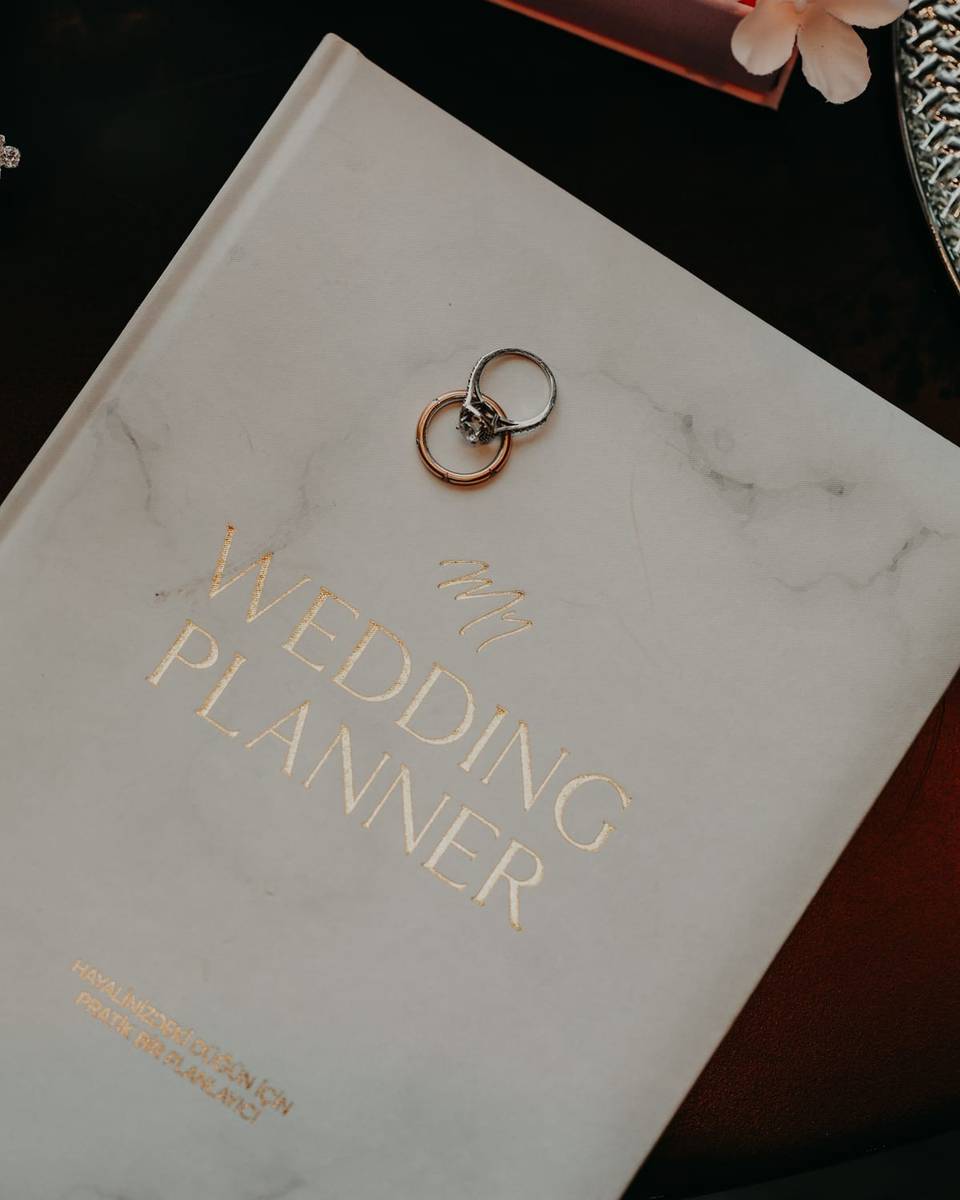
What does a wedding planner do?
The scope depends on the package; these are the main tasks planners take on:
Planning and timeline
A plan from the start to the wedding night, with reminders of key dates and decisions.
Choosing vendors
Recommending the hall, kosha, photography and catering, and comparing their offers.
Design and theme
Suggesting colours and an overall look that ties together the kosha, tables and invitations.
Budget
Tracking spending and helping you split the budget according to your priorities.
Running the day
Overseeing set-up, coordinating the bride’s entrance and zaffa, and handling anything unexpected.
Coordinating both sections
Arranging what happens in the women’s and men’s sections and the timing between them, with female coordinators for the women’s section.
Ask the planner for a written plan listing tasks, deadlines and who is responsible for each item, plus a minute-by-minute run sheet for the night: when the hall opens, when the bride enters, when dinner is served. The run sheet goes to every vendor so everyone works to the same timing.
Types of planning services
- Full planning
The planner is with you from the beginning: budget, choosing the hall and vendors, design and running the day.
- Partial planning
You choose some vendors yourselves, and the planner coordinates the rest and links everyone together.
- Day-of coordination
For families who arranged everything themselves and want someone to run the execution and timing on the night.
- Engagement and milka
Smaller celebrations with different details, such as setting up the milka or receiving both families. See our engagement and milka guide.
- Female coordinators
Many families prefer a female coordinator to run the women’s section, and many planning companies provide one.
What to ask a wedding planner
Before agreeing, ask for clear answers to these questions:
- What exactly does the package include, and what counts as an extra?
- Do you work with specific vendors, or can we choose who we want?
- Who will be there on the night, and how many team members in each section?
- Do you provide female coordinators for the women’s section?
- How is the budget tracked — do payments go through you or directly to vendors?
- Can we see previous work, while respecting clients’ privacy?
- What are the payment and cancellation terms?
Having these points clear in the contract avoids misunderstandings and makes comparing planners fair.
What drives the cost of a planner?
Prices vary widely and we don’t quote figures. These are the main factors:
- Scope
Full planning is very different from day-of coordination only.
- Size of the celebration
Guest count, sections and duration determine the size of the team needed.
- Level of design
A bespoke look and luxurious details take more time and effort.
- Pricing model
Some planners charge a fixed fee; others work in packages that include vendors.
- Date and city
The wedding season and travel between cities can affect the offer.
For an overall view of expenses, see our wedding cost guide.
When to book a planner
If you want full planning, it’s best to sign the planner early — before booking the hall if possible — so they can help choose it and negotiate the package. Day-of coordination can be booked later, once the hall and vendors are settled.
Well-known planners get busy in the wedding season, so book early and include your approximate date in the request. For the order of steps, use our wedding planning checklist.
Before signing, have at least one getting-to-know-you meeting with the planner — rapport and trust matter as much as experience and price.
How to request planner offers
- 1
Send your request
Choose “Wedding planners” and other services, and add the occasion, date, guest count and city.
- 2
Planners contact you
Planners in your city contact you to understand your vision and make their offers.
- 3
Choose calmly
Compare scope, team and terms, and agree directly with the one that suits you.
Wedding planner FAQs
Do I need a planner if I’ve booked an all-inclusive hall package?
Not always. All-inclusive packages cover much of the coordination, but a planner helps with special details, running the day and coordinating outside vendors.
Can a planner run the women’s section with a female team?
Many planning companies provide female coordinators for the women’s section. Mention it when they contact you.
Can a wedding be organised from another city?
Yes — this is one of the situations where a planner helps most, handling visits and agreements on your behalf and sending you updates.
Does the planner choose the vendors, or do we?
It depends on the agreement. Some planners suggest options and you decide; others work with their approved vendors.
Do planners organise engagements, milka and henna nights?
Yes — choose the occasion in your request and you’ll receive offers suited to its size.
How do I compare planner offers?
Compare the scope item by item: the number of visits and meetings, the team size on the night, and whether vendor fees are inside or outside the offer. The cheapest offer isn’t always the best value if it covers fewer tasks.
What if something goes wrong on the night?
That’s one of a planner’s most important roles: handling a late vendor or a change in timing without guests noticing. Ask about their backup plan for such situations.




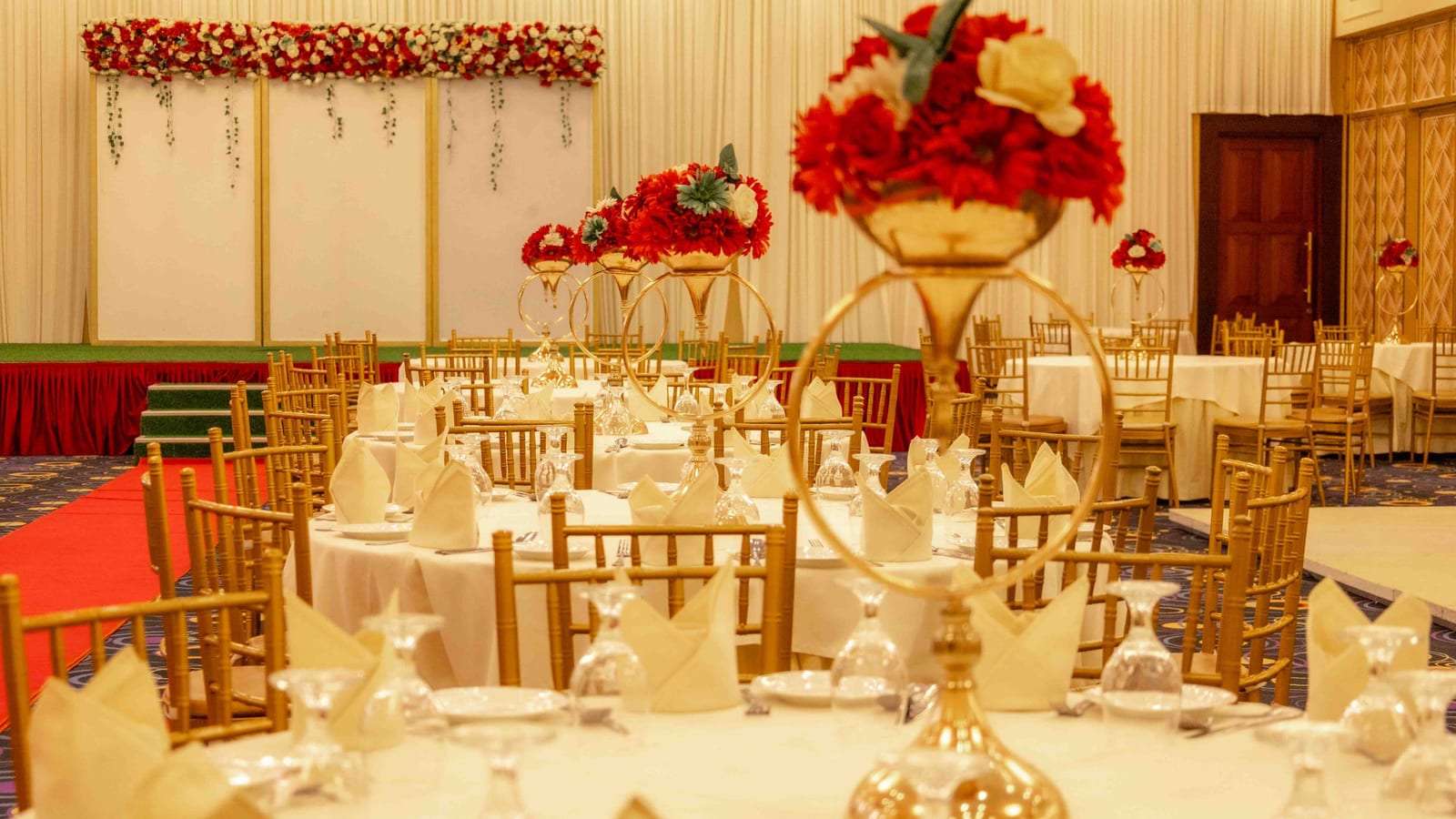

Request wedding planner offers
Tell us what you need and let planners in your city contact you with their offers.