The guest count drives everything
If there is one factor to start with, it is the guest count. That number decides the size of the hall, the amount of food, how many coffee servers and hostesses you need, how many invitations you print, and even the size of the kosha and the lighting required to fill the room. Adding fifty names in the final month is therefore not a small detail. It is a decision that touches every line of the budget.
Start with a realistic estimate for each section and divide the list into circles: the close family the wedding is unthinkable without, then relatives and friends, then those you could leave out if the budget gets tight. This makes any later adjustment easier and far less awkward. The full method is in our guide to estimating the guest count.
The hall is usually the biggest line
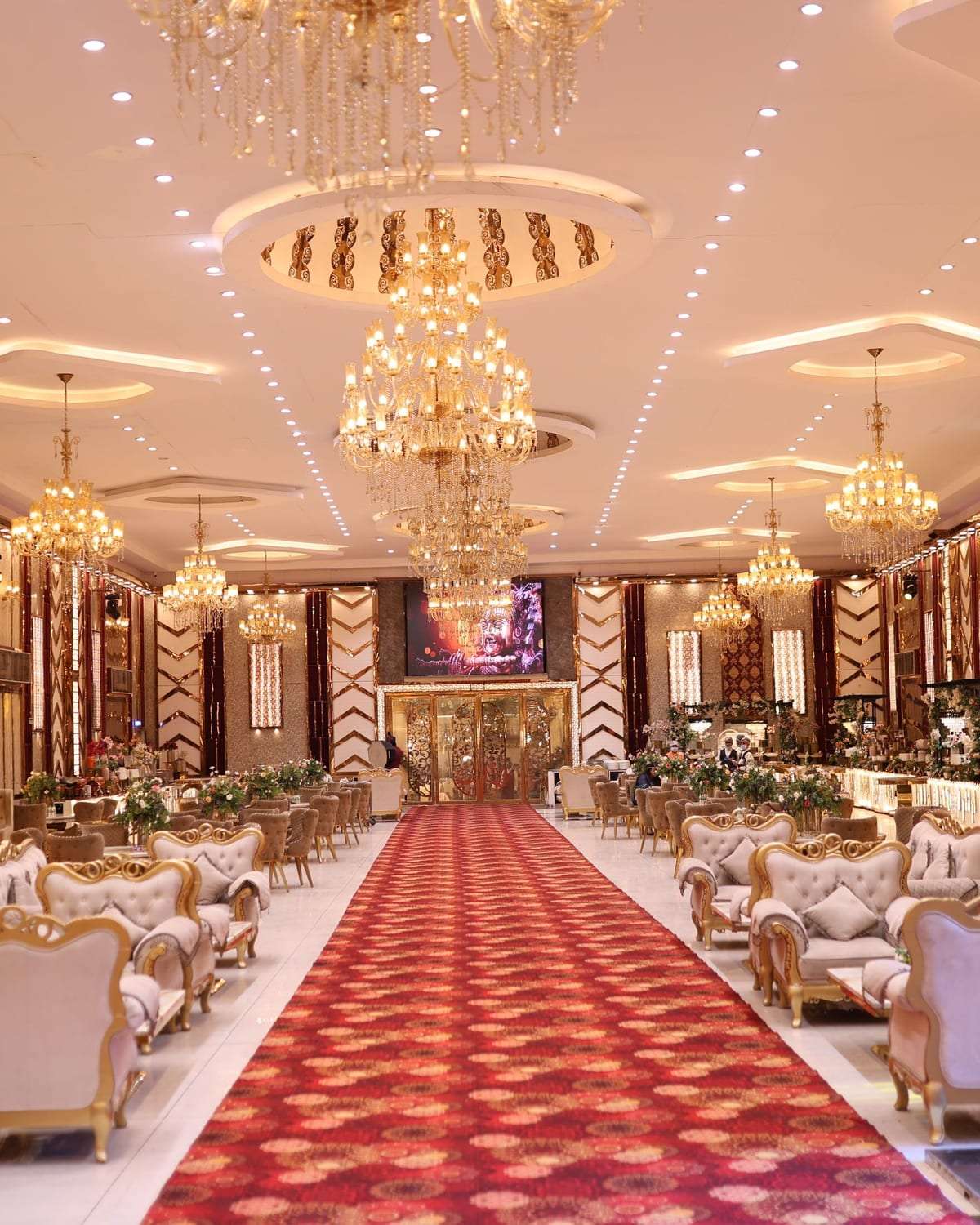
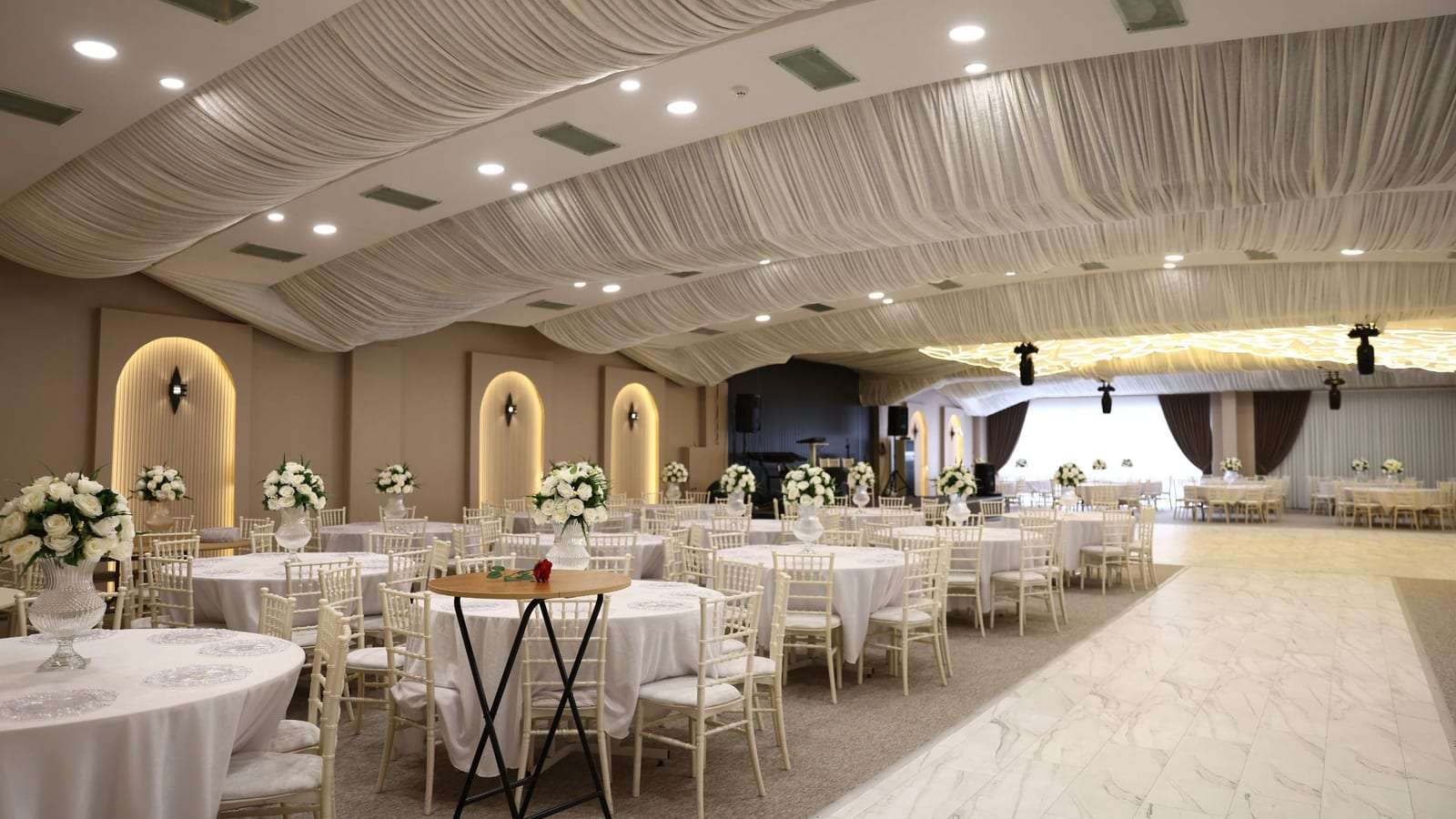
At most weddings the hall is the largest single amount, and four things govern its cost. The first is the type of venue, since a wedding palace, a hotel ballroom, a traditional hall and a rest house each sit at a different level. The second is the date, as weekend nights, the wedding season and school holidays are in higher demand than midweek nights.
The third is what the package includes. A hall that rents out the space alone cannot be compared with one that includes dinner, coffee and a basic kosha. The fourth is location and standard, from the district to the design and the quality of service. To see what to compare in detail, read our guide to choosing a wedding hall.
Catering and the buffet
If hospitality is not part of the hall package, it is usually the second-largest item. Its cost depends first on the number of guests, then on the menu and the number of main dishes, the style of service (an open buffet or plated service at the tables), the number of coffee servers and waiters in each section, and the dessert and coffee table after dinner.
I always recommend a tasting before signing, and asking how much food is calculated per person. The cheapest offer may be cheaper because it assumes smaller portions, and you only find that out when a dish runs out halfway through dinner. More detail is on our catering and hospitality page.
Kosha and photography
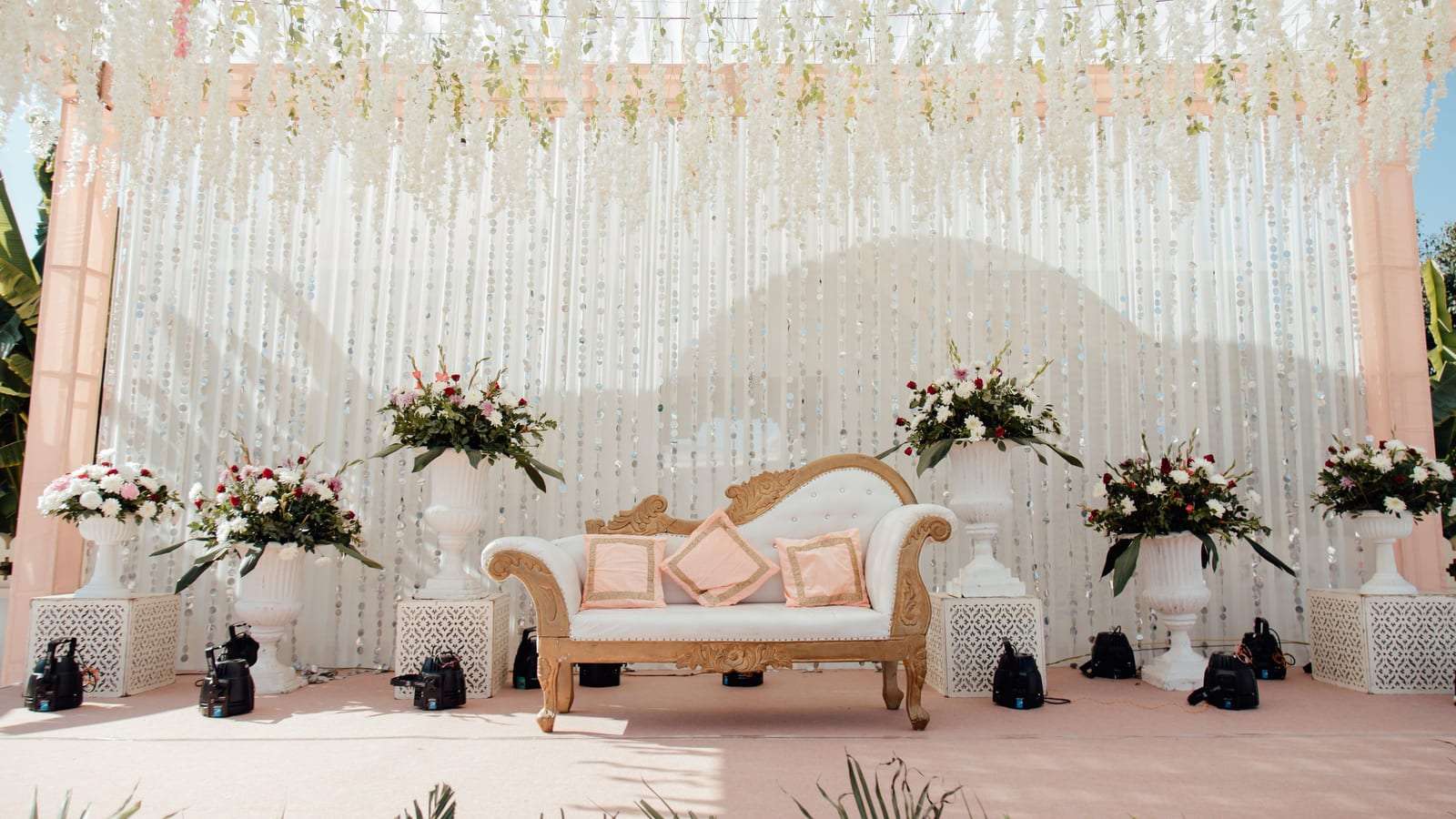
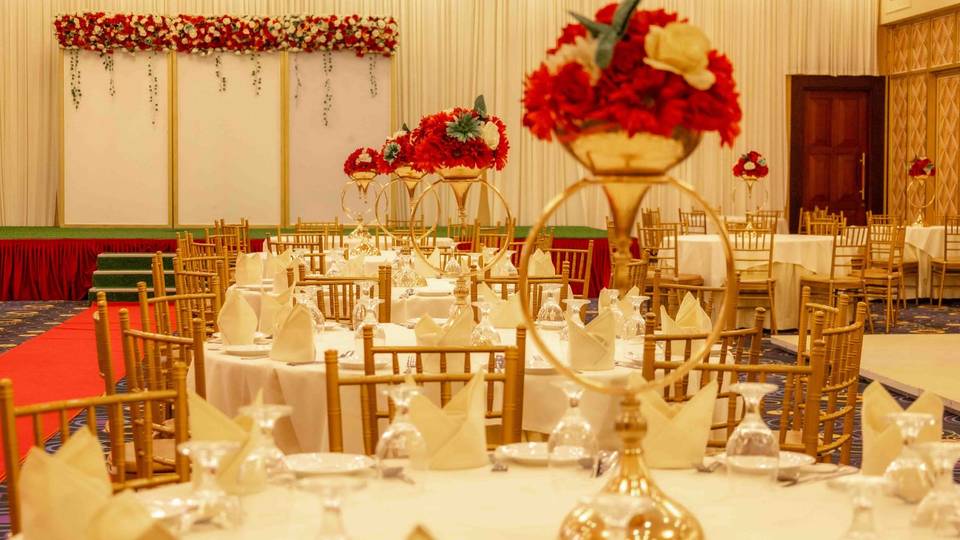
A kosha can be anything from a simple, elegant design to a lavish one built from scratch. What raises the cost is the size and complexity of the design, the type and quantity of flowers (fresh ones usually cost more than artificial), decorative lighting, and how far the styling extends from the stage to the aisle, the tables and the entrance. A medium-sized kosha with well-planned lighting often looks better in photos than a huge one that is poorly lit.
The cost of photography depends on how many photographers work in each section, whether video and editing are added, the hours of coverage, and the final deliverables such as the number of edited photos and printed albums. The most sought-after female photographers in the season can quote very differently from others, so book early if you have a particular name in mind.
The items forgotten until the last minute
Every season I meet families who budgeted carefully for the hall and dinner and were then caught out by small items that added up to a large sum. The bride’s dress, its alterations and accessories. Makeup, hair and henna for the bride and sometimes her mother and sisters. The zaffa and entertainment. Printed and digital invitations with entry cards. The small favours for guests.
On top of that come accommodation and transport for guests from other cities, the pre-wedding occasions such as the milka and henna night with their own venue, hospitality and photography, and a wedding planner if you need one. Put these lines in your spreadsheet from day one, even with rough figures, so they do not later eat into the main wedding items. The pre-wedding occasions are covered in our engagement and milka guide.
Do costs differ between cities?
They do. The supply of halls and the demand for them vary between Riyadh, Jeddah, Dammam and other cities, and each city has its own peak seasons. In cities that receive large numbers of visitors at certain times, such as Makkah and Madinah, hotel and hall availability can be affected during those periods.
So compare offers within your own city, and do not rely on a relative who married in another city or several years ago. What a cousin paid elsewhere four years back tells you nothing about today’s offer in your neighbourhood.
How to split the budget
There are no percentages that are right for everyone, and I do not recommend copying ready-made ones. Some families put the hall and hospitality first because generosity to guests is what a wedding means to them. Others prefer photography and the kosha because those are what remain once everyone has gone home. Sit down together, rank the items by how much they matter to you, and allocate the money in that order.
Keep a reserve from the start. Very few weddings pass without extra guests in the final week, a change to the design or an additional hour at the hall. And remember that comfortable guests and a calm family on the night count for more than any expensive detail nobody will notice.
Cutting costs without losing the beauty
Flexibility on the date saves more money than anything else. A midweek night or one outside the peak season can open up better halls on calmer terms. Next comes trimming the guest list to those closest to you, which is emotionally hard but has the biggest effect on the numbers.
Smaller savings add up too. An elegant, medium-sized kosha with good lighting instead of a mountain of flowers. Printed cards for a limited number of senior guests and a digital invitation for everyone else. One package with the same photographer for both the milka and the wedding. And booking early is what keeps you from being left with only the most expensive options.
Mistakes that raise costs for no reason
The most expensive mistake I see is booking so late that only the priciest choices are left. After that comes raising the guest count at the last moment without checking the hall’s capacity and the catering quantities, then the verbal agreement that reveals, on the night, fees nobody mentioned. Costly too are repeated changes to the kosha design after it has been approved, and overlapping bookings, such as hiring an outside caterer when the hall package already includes dinner.
How to compare offers fairly
The lowest price is not always the best value. It may leave out the catering, the kosha or the extra hours another offer includes. Put the offers in one spreadsheet, write next to each what it covers in detail and what counts as an extra, then compare item by item rather than by the total at the bottom of the page.
You can request offers from vendors in your city with a single request, so several offers for your own wedding arrive and you can compare them calmly.
Before you pay any deposit
These are the five questions I put to every vendor before any payment.
- What exactly does the price include, and what counts as an extra?
- Is the price fixed, or does it change with the guest count or the hours?
- How much is the deposit, and when are the remaining payments due?
- What is refunded if we cancel or change the date?
- Will all of this be written into a contract, with a receipt for each payment?
Clear answers before you pay protect you from the most common disputes after the wedding.
Why we do not publish prices
Prices change with the city, the season and the level of service, and they vary widely from one vendor to the next. Any figure we published today might not fit your wedding, and could push you to turn down a fair offer or accept an incomplete one. You are better off getting real offers for your own celebration from vendors who work in your city.
FAQ
Which item usually costs the most?
Usually the hall, followed by catering if it is not part of the package. It depends on your choices, though. Some families spend more on the kosha and photography than on the venue.
Does the wedding date affect the cost?
Yes. Dates in the busy season and weekend nights are in higher demand, and you may find better options on midweek nights or outside the peak.
Are all-inclusive packages better value?
They can be better value and easier to coordinate, but compare their contents carefully with separate offers, and ask whether an item you do not need can be swapped for something else.
Should we start with the budget or the services?
Start with a broad budget, rank the services by priority and request offers. Once real offers arrive, you can adjust the split realistically.
How do we avoid going over budget?
Record every commitment and payment in one spreadsheet, check it before any new booking, and set aside a reserve from the start that you only touch in an emergency.
How do I know an offer is fair?
Compare it with two or three offers for the same service and the same contents, and ask about everything it does and does not include. A fair offer stands up to those questions without vagueness.