The proposal
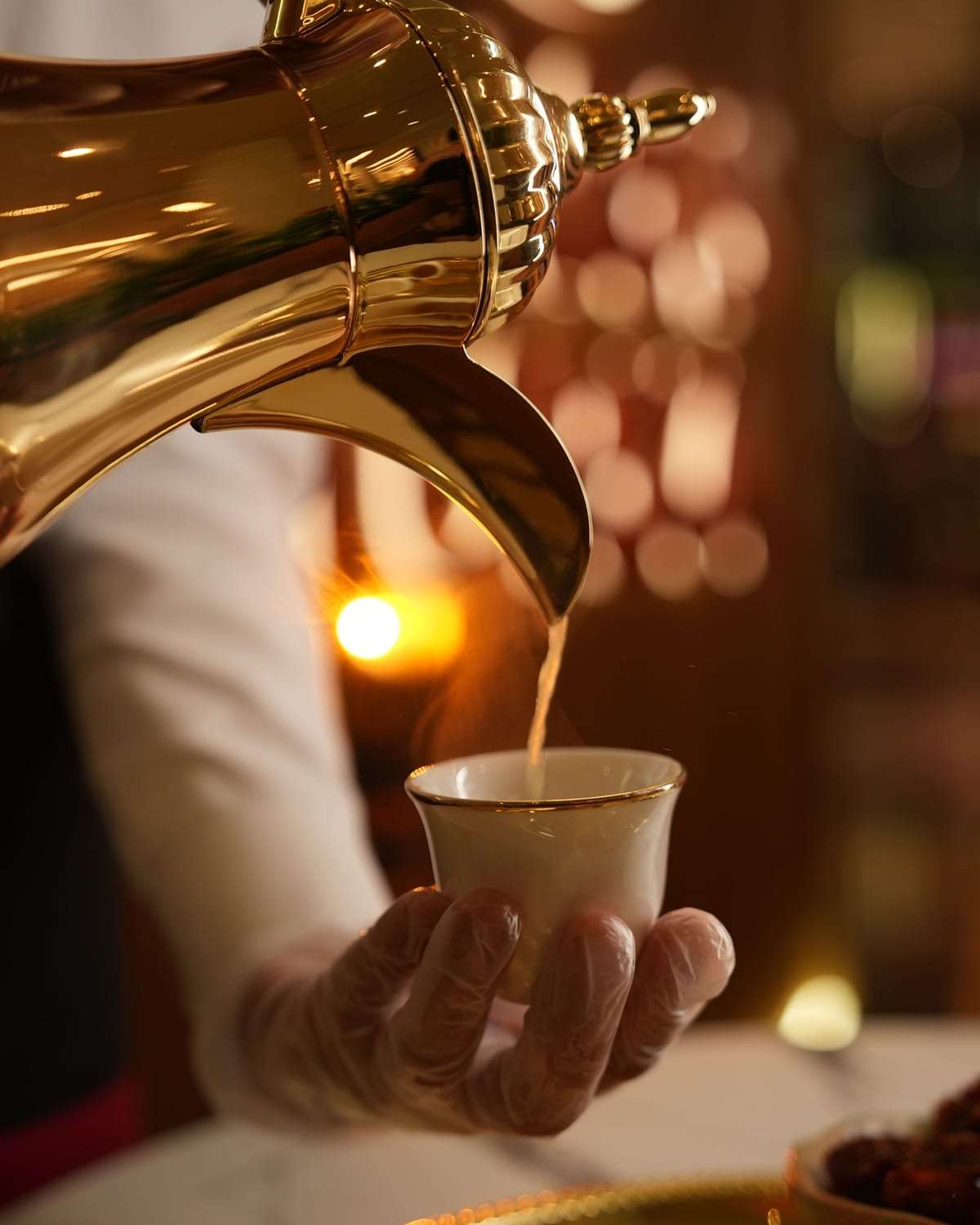
The story usually begins when the groom’s family approaches the bride’s family to ask for her hand. Before that there may be a period in which the families get to know each other and make enquiries about the groom, his family, his work and his reputation, a stage many households take their time over. When the day of the proposal comes, it is typically a family gathering attended by the elders of both sides, with coffee poured, dates and refreshments served, and time given to conversation before any answer.
Once the proposal is accepted, the families agree on the details, from the date of the milka and the mahr to the approximate wedding date and what each family will take on. These sessions matter more than the couple might think. Everything agreed clearly here saves long discussions in the months ahead.
The shabka and the mahr
The shabka is a gift of gold or jewellery from the groom to the bride, and its value and timing vary between families. Some present it at the proposal, some at the milka, and others on the wedding night in front of the kosha. Many families like the moment to be photographed. If you do, tell the photographer in advance so she is not at the far end of the hall when the box is opened.
The mahr is fundamentally different from the shabka. The mahr is the wife’s right, agreed and recorded in the marriage contract, whereas the shabka is a gift established by custom. People often mix the two up in conversation, but the families know the difference well when they come to agree terms.
The milka and the marriage contract
The milka is the marriage contract itself. It is usually concluded in the presence of the ma’dhun (the marriage officiant), the bride’s father or guardian, witnesses and the groom, and then officially registered. After the milka the couple are married in religious and legal terms, even if the wedding celebration is weeks or months away, and in many families this is when the groom begins visiting the bride’s home.
Many families hold a family celebration for the milka that is smaller than the wedding, at home, in a small hall or in a rest house, with an elegant seating area, hospitality and a photographer. It is an occasion I personally love, because it is calmer than the wedding and closer to the spirit of the family. To plan it, read our engagement and milka guide.
The henna night
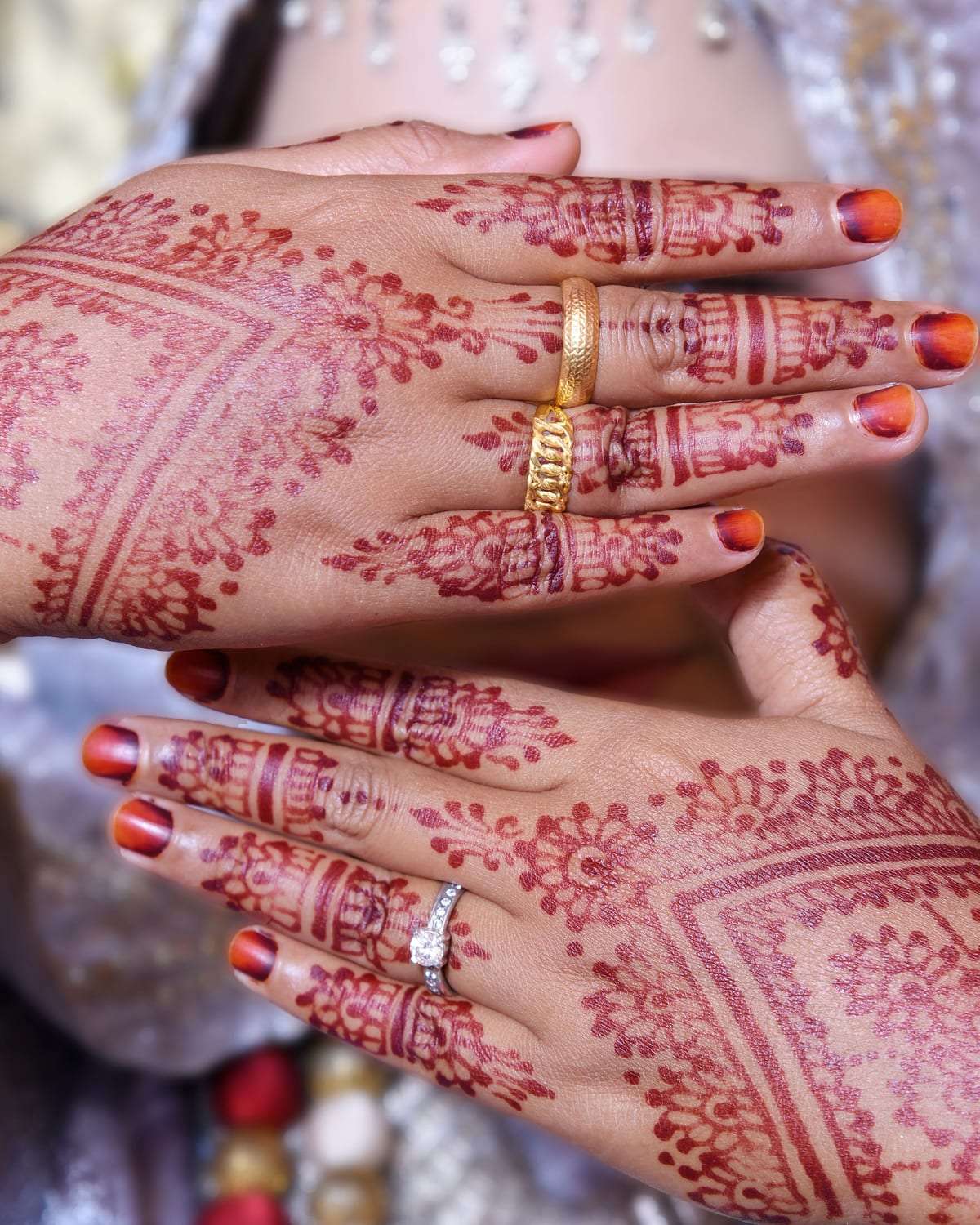
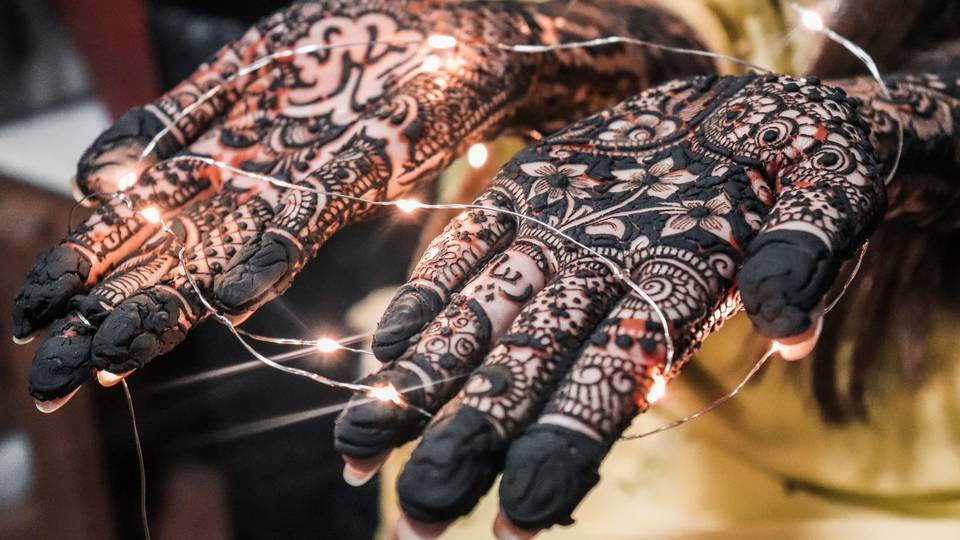
The henna night is mostly a women’s occasion held a few days before the wedding. The bride gathers with her female relatives and friends, and henna is applied to her hands and feet. The atmosphere is traditional and warm, in some families the guests wear heritage dress, and colours such as green and gold tend to dominate the décor. It is often the night the bride laughs the most, because she is among the people closest to her without the formality of the wedding.
The names and details of the night vary by region. In some Hijazi families the night of preparing the bride is known as the ghumra, and in the Eastern Province and along the Gulf coast the bride may have a special segment known as the jalwa. Henna and bridal preparation services are on our bridal makeup and henna page.
The wedding night
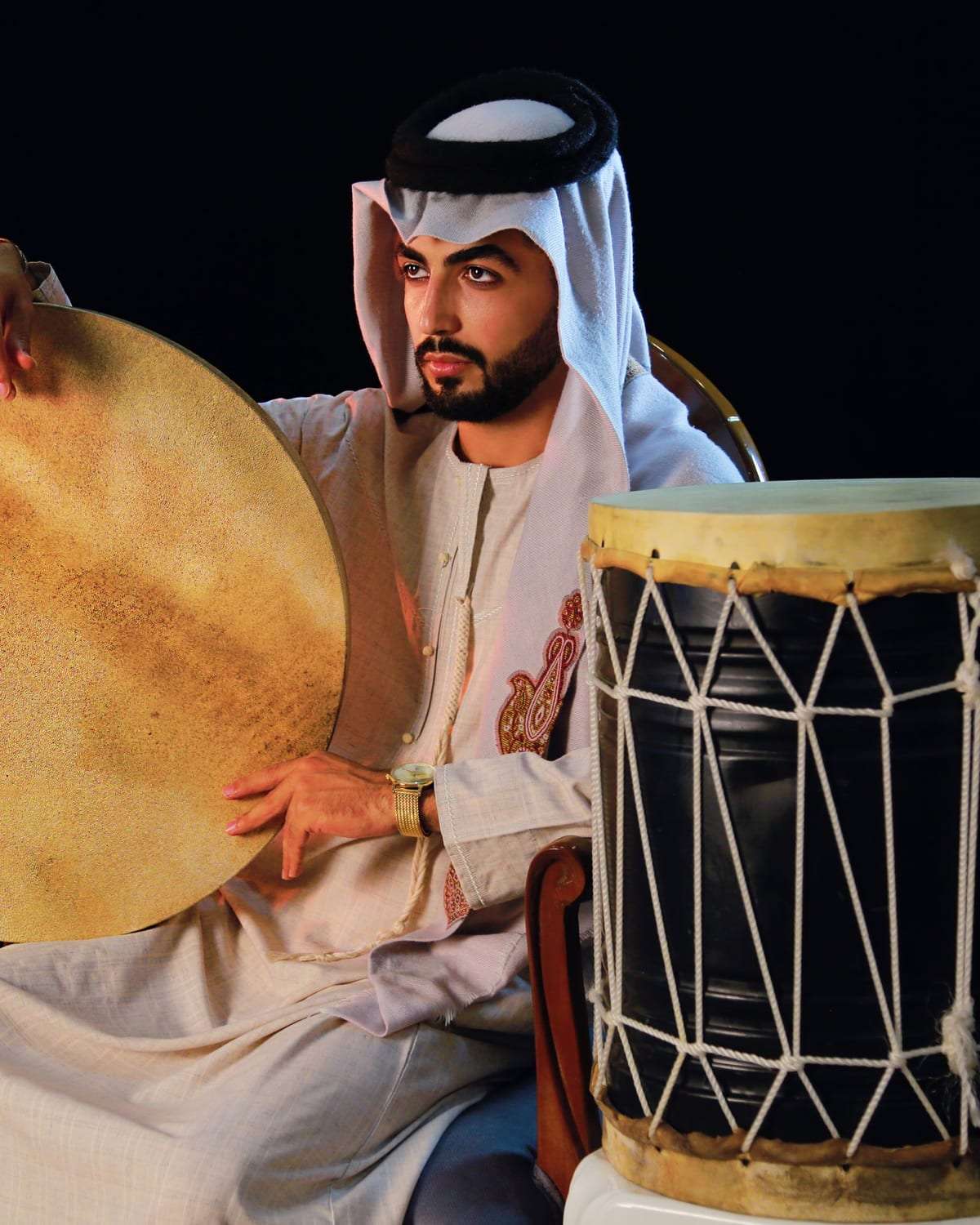
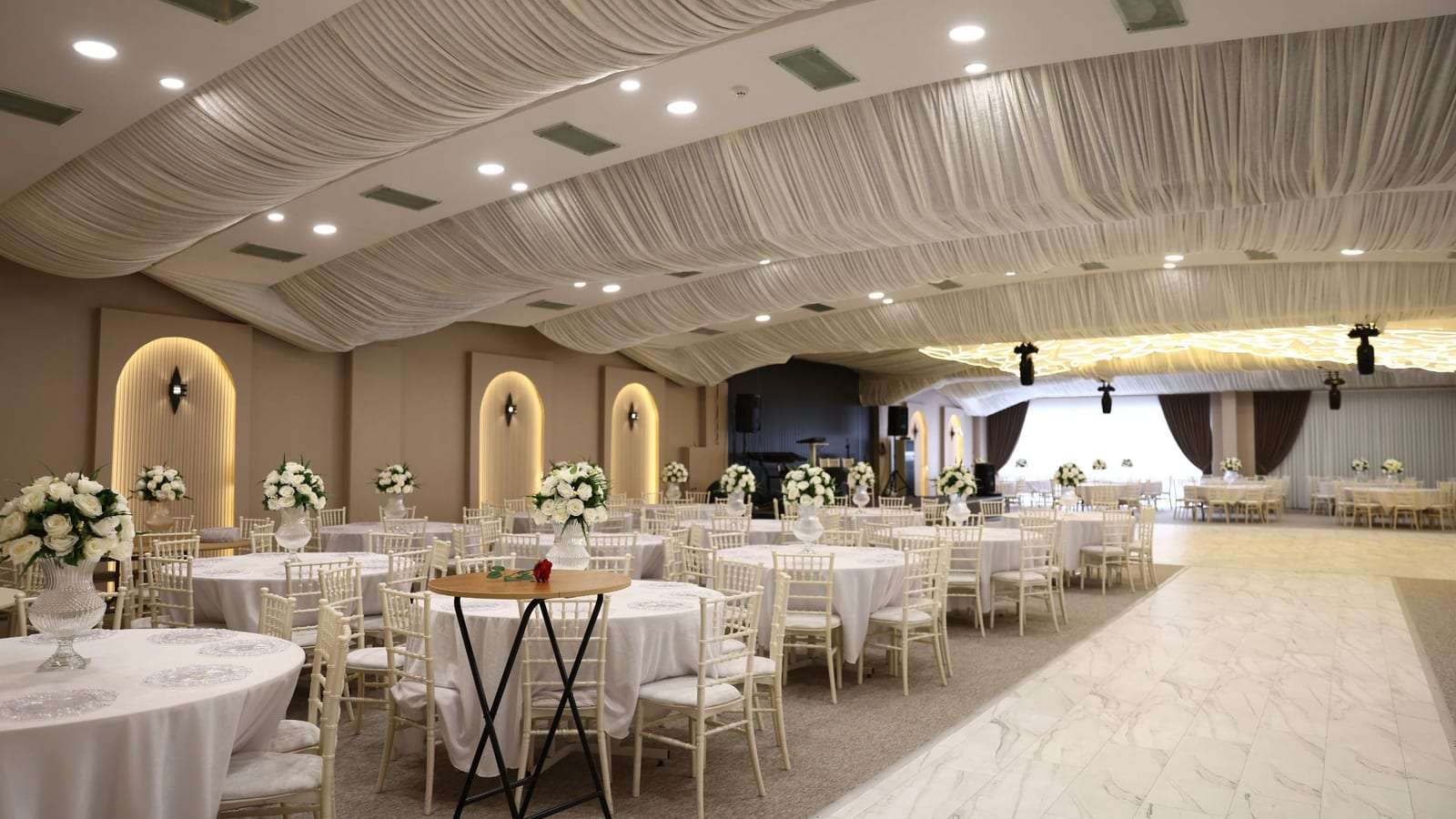
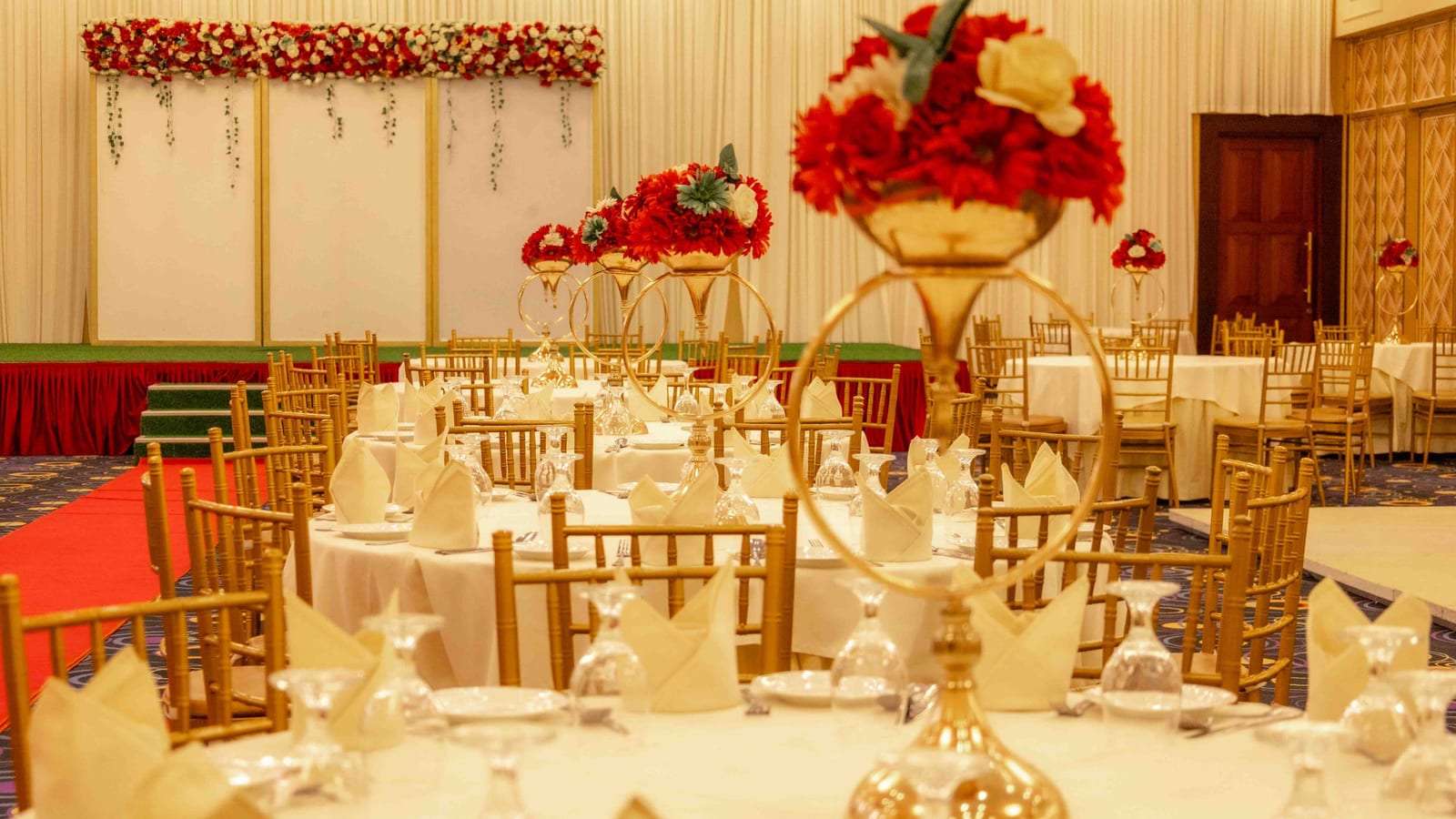
The wedding night is the largest celebration, usually held in a wedding hall or palace with separate sections for women and men. In the men’s section the family elders stand at the door to welcome guests, coffee and dates go round, and depending on the region there may be an ardah or other folk performances before dinner is served.
In the women’s section the kosha is the centre of the night. Guests arrive dressed at their finest, the tables fill up little by little, and every eye turns towards the door, waiting for the one moment everyone knows is coming.
The zaffa and the bride’s entrance
The zaffa is the moment the bride enters the women’s section and walks to the kosha, to a recorded zaffa, a sheila composed with the couple’s names, or a live performance. It is the most anticipated and most photographed moment of the night, and many brides remember every second of it for years. That is why I always make sure the aisle is clear, the lighting is planned and the photographer is in position before the music starts.
In some families the groom comes in later with his closest relatives to be photographed with the bride, while other families prefer that it never happens. Both are common, and the decision belongs to the two families. You will find zaffa and entertainment options on our zaffa and entertainment page.
Hospitality and generosity
Generosity is one of the clearest marks of a wedding in the Kingdom. Arabic coffee and dates are there from the moment guests arrive, dinner is lavish, sweets are plentiful, and many families would consider food running out before the last guest an unforgivable lapse. Many families also want the hospitality staff in the women’s section to be women, and want older guests served first as a mark of respect. Service details are on our catering and hospitality page.
How customs vary between regions
One of the loveliest things about Saudi weddings is their variety, and I give general examples only. In Najd and the central region the Najdi ardah appears in the men’s section at many weddings, and celebrations are often large with long guest lists. In the Hijaz the mizmar is performed in the men’s section, the preparation of the bride has its own customs, and traditional Hijazi dress appears at some occasions.
The Eastern Province has clear Gulf influences, such as the jalwa in some families, and Gulf folk arts. In the south and the north, each region has its own performances, dress and dishes that appear at weddings with pride. None of these examples applies to every family. What matters is that your wedding reflects your own family’s customs and taste, not a stereotype of your region.
The role of the two families
Marriage in the Kingdom is very much a family affair, with both families sharing the preparation, the welcome and the hospitality. Often the family elders receive guests in the men’s section, while the bride’s mother and female relatives welcome guests in the women’s section, and every aunt knows her role without being told.
How tasks and costs are divided between the families varies with custom and agreement. That is why an early, clear conversation about it, in a spirit of understanding and mutual respect, helps before the bookings begin.
When two sets of customs meet
More and more weddings bring together families from different regions, and with them come questions nobody used to ask. Should the zaffa be Hijazi or Najdi? Should the henna night follow the bride’s family or the groom’s? My advice is for the two families to talk early about their customs for the milka, the henna night and the wedding, then choose segments that express both, such as a zaffa that blends two styles, or a henna night in one family’s tradition and a wedding in the other’s.
Agree as well on a venue that suits guests from both sides and their travel, and make clear to the planner and the vendors which details belong to which family. Bringing two traditions together in harmony makes for a distinctive celebration that both sides remember with affection.
After the wedding, and between old and new
In many families congratulations and family visits continue in the days after the wedding, and small gatherings may be held to receive relatives offering their good wishes. These customs and their names differ between regions.
Many weddings today combine inherited customs with modern touches. A contemporary kosha with a traditional zaffa, a digital invitation alongside the printed card, or a smaller and more private celebration than the family is used to. There is no single correct form. What matters is that the two families agree on what suits them, and that the celebration expresses their joy and their values.
Planning each stage
Put every occasion on one timeline with its date, from the milka to the wedding night. Our wedding planning checklist gives you a ready-made timeline to start from. Agree with both families who takes on which occasions and costs, book vendors for each occasion early, or ask about packages that cover several occasions with the same photographer or designer. And agree from the start on privacy and photography for each occasion, because what is fine at the wedding may not be at a family henna gathering.
FAQ
What is the difference between the milka and the wedding?
The milka is the religious and legal marriage contract, while the wedding is the celebration that announces the marriage, after which the bride moves to the marital home. Weeks or months can pass between them.
Is a henna night necessary?
It is not, and families differ. Some hold it as a full celebration in its own right, while others simply have the bride’s henna applied a day or two before the wedding without a party.
Does the groom enter the women’s section?
It varies between families. Some arrange for him to come in with close relatives for photos, others prefer not to. The decision belongs to both families, and the planner and photographer should be told in advance.
Can the milka and the wedding be held on the same day?
Yes. Some families hold the marriage contract on the wedding day itself or shortly before, especially when time is short or both families prefer a single occasion. Arrange it with the officiant and the hall in advance.
When is the shabka usually presented?
It varies between families, and may be at the proposal, the milka or the wedding night. What matters is agreeing on it beforehand, and telling the photographer if you want the moment captured.
How do I learn the customs of the other family?
Through an early and frank conversation between the two families, agreeing on the occasions and their details before any booking. It prevents misunderstandings later and lets each side feel its customs are respected.